Read about upcoming changes to UnitedHealthcare coverage.
The term neurogenic bladder is used to describe several bladder issues that can be caused by a neurological problem, such as spina bifida, tethered cord or a spinal cord injury. The bladder issues can vary, but can include problems with holding urine, emptying the bladder and recurrent urinary tract infections. Neurogenic bladder issues exist on a spectrum; some children with neurological issues have little to no bladder issues, while others have more severe problems. If left untreated, neurogenic bladder can lead to kidney failure in severe cases.
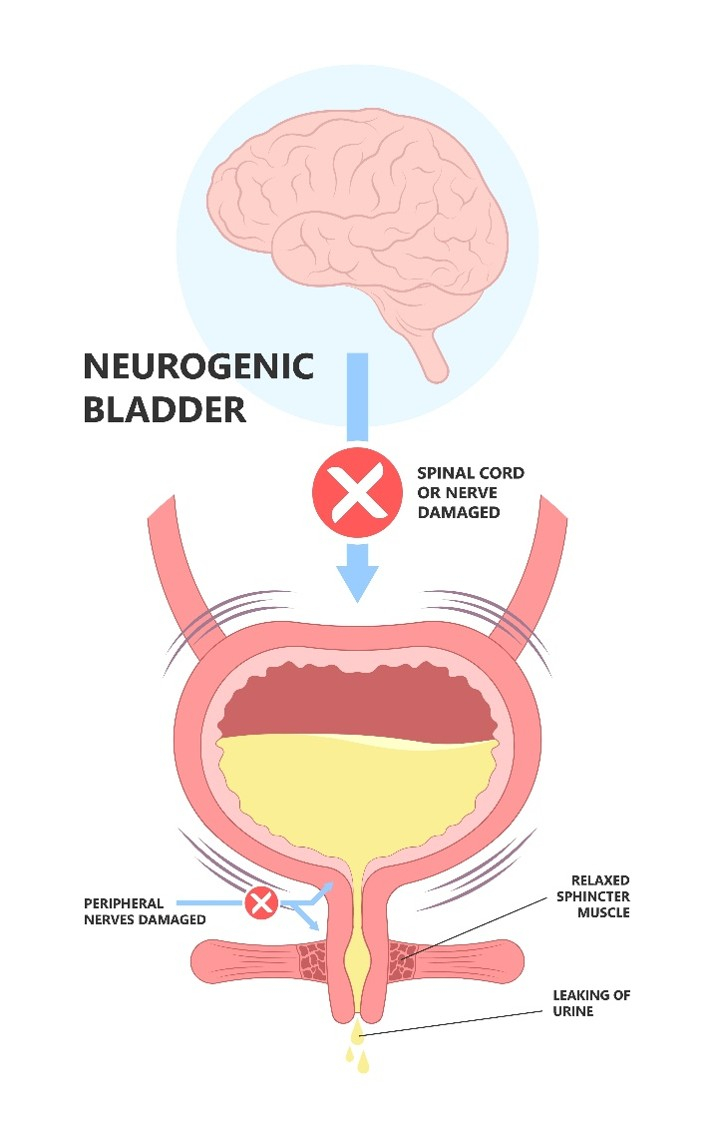
Symptoms may include:
Patients with any form of neurological condition can have a neurogenic bladder. Common problems include tethered cord, Chiari malformation, cerebral palsy and spina bifida.
Diagnosis is based on history and physical examination. Often, testing like uroflowmetry with EMG, urodynamics, voiding cystourethrogram (VCUG) and renal ultrasound are necessary to evaluate bladder function.
Treatment varies depending on the severity of the problem. For mild issues, behavioral interventions such as timed toileting, constipation management and pelvic floor training (biofeedback) can help. Sometimes oral medications are needed to help the bladder fill and empty properly. Botox injections may sometimes be necessary to help with bladder storage pressures and/or incontinence. Occasionally, children require intermittent catheterization to help drain the bladder. In specific situations, bladder reconstruction in the form of an open or robotic Mitrofanoff appendicovesicostomy, bladder neck reconstruction and/or bladder augmentation may be necessary to establish continence and protect kidney function.
Neurogenic bladder itself cannot be cured, but the symptoms of urinary incontinence, recurrent UTIs and high bladder storage pressures can be managed to help achieve continence and to protect the kidneys. Neurogenic bladder requires close follow up throughout childhood and adolescence, as function can change over time. Our team works closely with your family and your child’s other specialists, including neurology, neurosurgery, general surgery and gastroenterology to ensure the best quality of care.
To request an appointment, please call our office at (646) 962-2112 or schedule an appointment with one of our providers online below. Our phone staff are available to help you Monday-Friday, from 9AM-5PM (EST).
Meet our expert providers who specialize in treating Neurogenic Bladder: