Read about upcoming changes to UnitedHealthcare coverage.
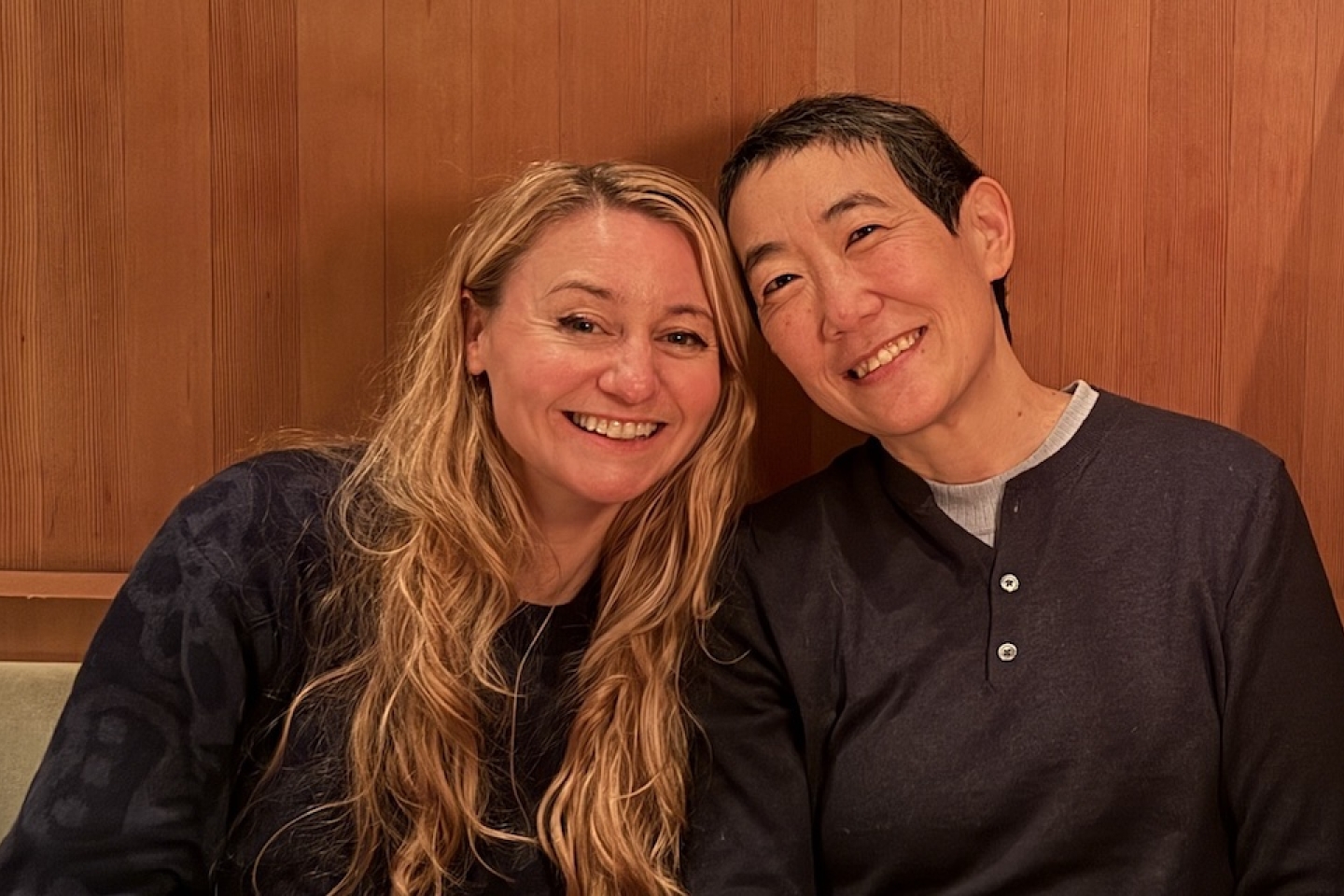
After working at Weill Cornell Medicine for more than 20 years, Jennifer Moon never imagined she would become a patient herself.
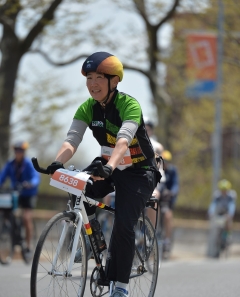
She was active, healthy, and loved biking and running, but then her health took a turn. In July 2024, she underwent a hysterectomy to address precancerous endometrial tissue. Just months later, she had her annual mammogram. A follow-up breast ultrasound that was scheduled on Christmas Eve discovered a second major health scare: a diagnosis of hormone-sensitive, HER2-negative breast cancer.
“I had just gone through one major health scare, and then this,” Jennifer recalls. “I couldn’t see my future beyond the diagnosis. I didn’t know what this meant for my health.”
Under the care of Dr. Lisa Newman, chief of breast surgery, she had a mastectomy on her left breast. Post-surgical pathology revealed that the cancer had spread to one lymph node, confirming a stage 2 diagnosis which meant that the disease had started moving beyond the breast. This raised the urgency of treatment and the need to prevent further spread.
Jennifer met wit, Dr. Tessa Cigler, an oncologist and physician researcher, to discuss next steps. Based on national guidelines, she was a candidate for chemotherapy. But the benefit in her specific case was unclear.
That’s when Dr. Cigler told her about an opportunity to participate in research. There was an ongoing clinical trial in the Meyer Cancer Center that was testing two standard treatments: hormone therapy alone versus hormone therapy with chemotherapy.
“This wasn’t a trial for an experimental drug,” Jennifer explained. “It was studying whether putting women into early menopause with hormone therapy might offer the same benefit as chemotherapy.”
Jennifer was intrigued, but hesitant. “Chemo is such a big, life-altering thing. But if no one really knows whether I’ll benefit from it, what do I do?”
To help make the decision, Jennifer reached out to Dr. Silvia Formenti, chair of the department of radiation oncology, and a trusted colleague. Dr. Formenti reminded her that participating in the trial contributes to evidence that helps guide better cancer care for others in the future.
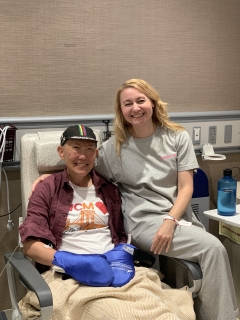
Jennifer with her partner Heather during chemo treatment.
Jennifer enrolled in the study and was randomized to the chemotherapy arm. She completed four and a half months of chemo and three weeks of radiation, finishing this part of her treatment journey in September 2025.
Throughout her care, Jennifer felt supported and informed. “The trial process was incredibly smooth,” she said. “The research component was almost invisible. My doctors and nurses were amazing. They checked in constantly and helped me manage the side effects.”
Jennifer will continue to participate in the clinical trial by completing surveys and sharing information about her quality of life so that researchers can include this information in their evaluation, as well.
“I’m really proud to be a part of something larger than just me in terms of moving the field of breast cancer care forward in such a data-driven way,” Jennifer reflected.
Thanks to the integration between the multidisciplinary care team at Weill Cornell Medicine and NewYork-Presbyterian Hospital, and the clinical trial at the Meyer Cancer Center, Jennifer’s cancer is in remission and her health is improving daily.
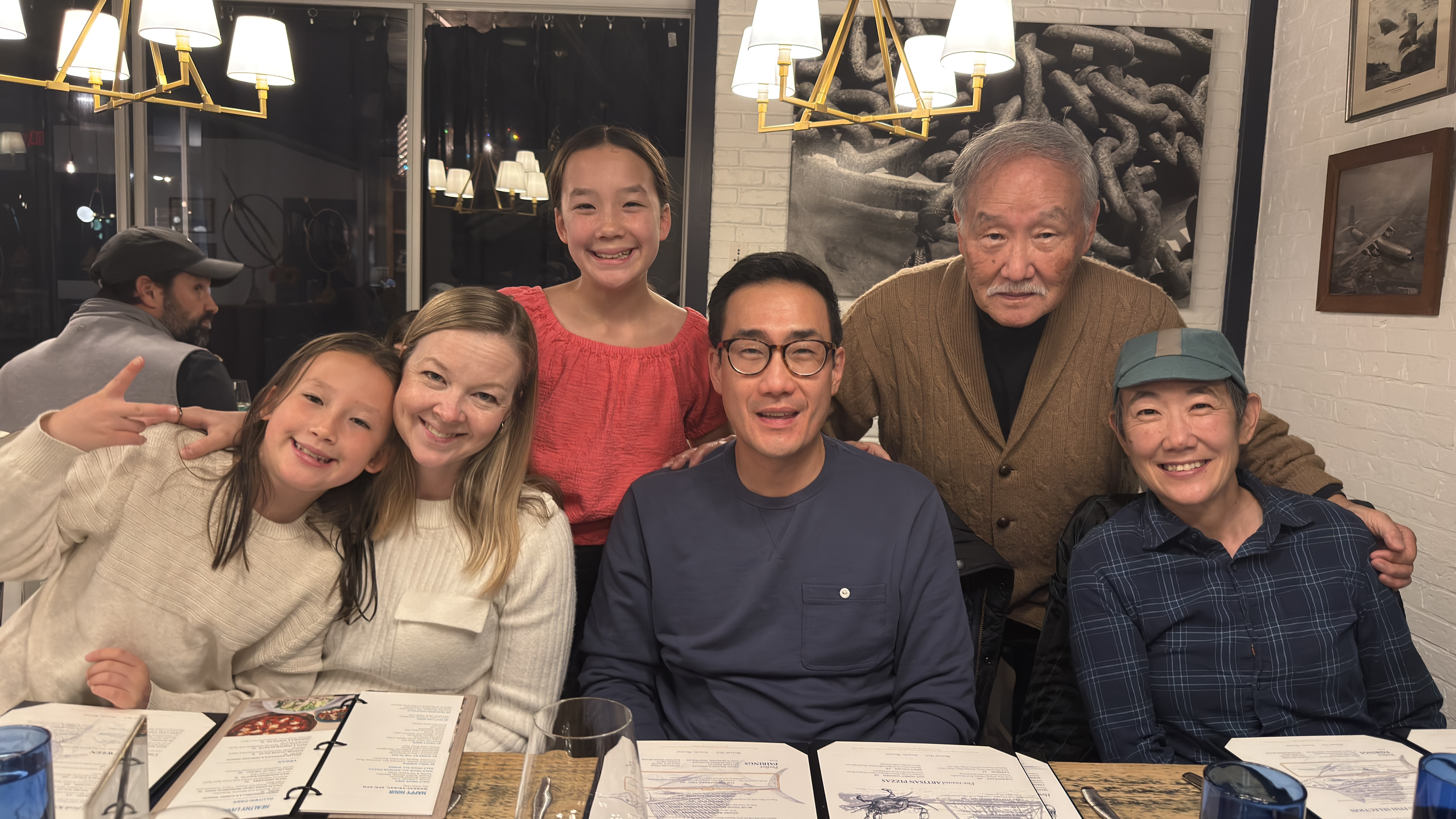
Jennifer with her father Jae and brother Brian’s family after completing active treatment
“I’m grateful for my entire support system, including my extended care team and my family,” Jennifer said. “My partner Heather and I met when we were 20, and she attended all my chemo appointments and reminded me that this was just one phase in my life. More generally, cancer shifted my priorities and highlighted the importance of relationships.”
Now in recovery, Jennifer is turning her experience into purpose. She has resumed her physical fitness hobbies, including hiking and strength training. She’s doing acupuncture at the Weill Cornell Medicine and NewYork-Presbyterian Integrative Health Center and working with physical therapist Amy Shapses, founder of Flow Physical Therapy, who was instrumental in helping her regain strength after each treatment.
Her appreciation for community continues to grow, and she attended a fall fly-fishing retreat for breast cancer survivors.
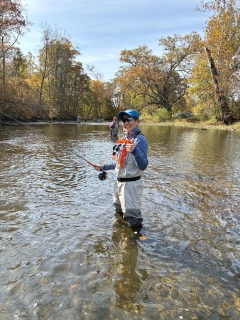
This autumn getaway helped forge new friendships and even a survivorship group chat that has led to other outings since, ranging from Friendsgiving to attending Kelly Ripa Live and rock-climbing adventures.
“Prior to my breast cancer diagnosis, I was very private, particularly about health issues,” she said. “But if I can be even one small data point in something larger, then that’s meaningful. And if others hear this and feel less alone, that’s even better. No one wants to have cancer, but I’ve derived something positive from sharing my story and connecting with a community of others who’ve been through similar experiences.”
Dr. Cigler added: “The only way we make progress is by asking hard questions and letting patients help us find the answers. Trials like this are how we move cancer care forward.”

