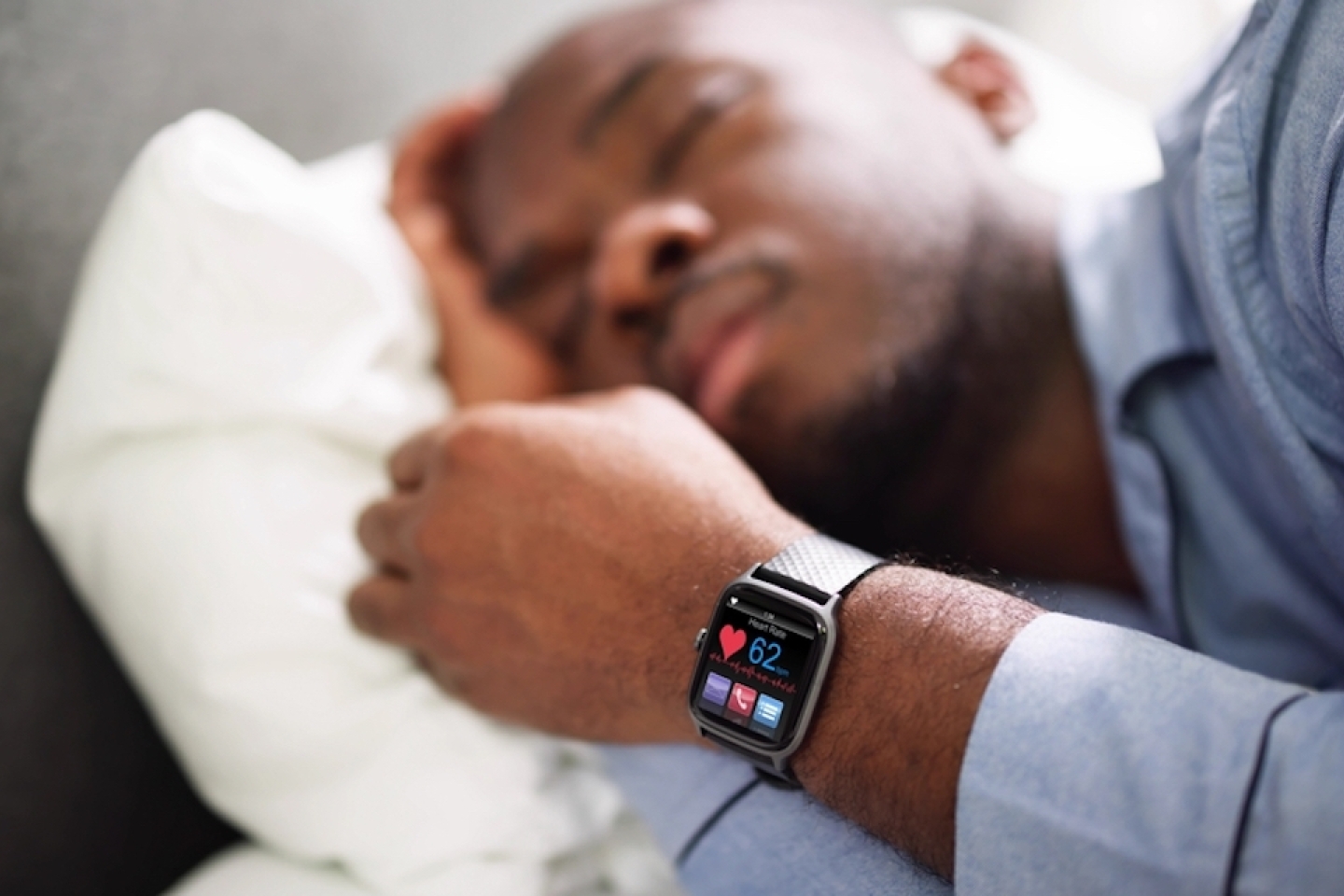
Miss out on sleep, and you miss out on life. You have less energy, think less clearly and are more likely to get frustrated with loved ones and the stranger driving slowly on the highway. You may even put your life at risk, as sleep and heart health are tightly connected.
“Sleep is not an isolated process,” says Dr. Ana C. Krieger, professor of clinical medicine, chief of the Sleep Neurology Division and medical director of the Center for Sleep Medicine at Weill Cornell Medicine. “Sleep disruptions can affect other organs, including the heart. Therefore, in order to optimize heart health, sleep needs to be part of the equation.”
How Sleep Affects Heart Health
The connection between good sleep and heart health is strong. So strong that the American Heart Association included sleep on their Life’s Essential 8 checklist, a list of eight steps you can take to maintain a healthy heart.
How does poor sleep increase your likelihood of cardiovascular disease? By leading to risk factors for heart disease, including:
- Diabetes. Sleep disruptions affect your blood sugar levels, increasing the risk of Type 2 diabetes. Additionally, if you have diabetes, you may experience disrupted sleep.
- High blood pressure. The American College of Cardiology reports that “Sleeping fewer than seven hours is associated with a higher risk of developing high blood pressure over time.” Along with the amount of sleep you get, you can raise your risk for high blood pressure if you don’t stick to a sleep schedule.
- Obesity. A lack of sleep may reduce leptin levels in your body. This hormone tells you when you’re full, so you stop eating. With less leptin, you’re more likely to overeat and gain weight.
Take a Heart Look at Your Sleep Routine
Sleep disorders, such as sleep apnea, can make it hard to get the recommended seven to nine hours of sleep each night. Bad sleep habits can as well. If you’re feeling the effects of poor sleep, Dr. Krieger has good news.
“The effect of sleep disruption on heart health varies based on the severity and duration of the problem,” she says. “Thankfully, there is a lot you can do to improve sleep quality.”
To improve your sleep and reduce your risk for heart attack and other cardiac problems, Dr. Krieger suggests the following:
- Avoid food and drinks late at night. Eating or drinking close to bedtime can make it harder to fall and stay asleep. Be especially wary of alcohol or fatty, sugary foods in the hours leading up to bedtime.
- Build a sleep routine. Your body thrives on a schedule. To sleep better, go to bed and wake up at the same time every day, including the weekends. You should also develop a relaxing bedtime routine to get ready for bed. Read for an hour, take a warm bath or practice deep breathing exercises to let your body know it’s time for sleep.
- Create a sleepy environment. Your body sleeps best in a dark, cool, quiet room. Lower the temperature and turn off the lights to help move toward better sleep.
- Exercise at the right time. You should aim for at least 30 minutes of exercise, five days a week. Just be careful. Working out too close to bedtime can make it more difficult to sleep. So, exercise earlier in the day to improve your ability to fall and stay asleep.
- Make sleep a priority. Getting good sleep most days of the week is helpful, but your body deserves good sleep every day. Prioritize good sleep and do your best to stick to your sleep routine. This may require you to plan ahead or skip out on late-night social engagements, but your heart will thank you.
- Turn off screens. Your phone, television and computer screen all emit blue light. This color of light reduces your body’s production of the sleepy hormone, melatonin. By turning off screens a few hours before going to bed, you help your body maintain a healthy sleep-wake schedule.
Expert Help to Protect Your Sleep and Heart Health
You may continue to struggle with sleep despite having a solid sleep schedule and keeping your room dark, cool and quiet. In these cases, an underlying health issue may be the cause of your problem. Medical evaluation and testing can help identify the root cause.
“Sleep problems can cause issues with your hormones, immune system, heart, metabolic system and neurologic function,” Dr. Krieger says. “Conversely, all of these issues and more can affect your sleep.”
If medical testing rules out these issues, your provider may recommend a sleep disorder test. During the test, experts monitor your body as you attempt to sleep. This helps detect sleep disorders, including:
- Circadian rhythm disorders. The body’s sleep-wake rhythm is disrupted, causing problems such as beginning your sleep schedule earlier or later than usual.
- Insomnia. You may struggle to fall asleep or stay asleep at night, or wake up before your normal wake-up time.
- Narcolepsy. You may feel sleepy throughout the day or unintentionally fall asleep at any time.
- Restless legs syndrome. An uncomfortable sensation in your legs makes you want to move them. The sensation kicks in when you attempt to fall asleep. You may also move your legs while sleeping.
- Sleep apnea. Throughout the night, your sleep is disrupted due to breathing difficulties, including gasping for air or choking. If you have sleep apnea, you may also snore.
Whatever sleep issue affects you, proper treatment can help improve your sleep and protect your heart health.
“Increasing awareness of sleep disturbances is very important,” Dr. Krieger says. “If you wake up feeling unrefreshed from sleep or feel tired and sleepy during the day, you should discuss it with your doctor.”
Key Takeaways
In addition to leaving you tired, poor sleep can have a detrimental effect on your heart health. Understanding your risk and taking action can protect your most important organ.
- Sleep problems can lead to diabetes, high blood pressure and obesity. All three of these increase your risk for a heart attack and other types of heart disease.
- You can improve your sleep and protect your heart with good sleep hygiene. Get started by going to bed and waking up at the same time and keeping your room cool, dark and quiet.
- If good bedtime habits don’t lead to good sleep, a more serious condition may be causing your problem. Various tests, including a sleep study, can uncover the root of your sleeping woes.
Want to sleep better and protect your heart health? We’re here to help. Find a doctor at Weill Cornell Medicine today.