July 30, 2020
Dr. Maria Suurna joins Dr. Daniel Barone to answer some of the most important questions about sleep and sleep apnea.
July 27, 2020
Though Broadway remains closed in NYC, we have partnered with Playbill to bring some of Broadway’s best right to you.
July 20, 2020
Daniel Barone MD, FAASM, FANA, discusses why many of us have not slept well since the onset of COVID-19. He shares how coronavirus anxiety may be contributing to insomnia and offers some great tips on how to practice better sleep hygiene. He emphasizes the importance of restorative sleep and why it is so vital to our overall health, especially during these challenging times.Listen to... Read More
July 16, 2020
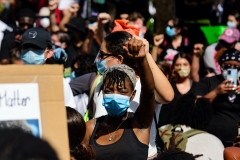
Gurmeet Kanwal, MD discusses the psychological aspects of social movements like Black Lives Matter and the effects on everyday life. He shares on how adults can manage past trauma and triggers and how different generations have different emotional responses due to their lived experiences.
July 15, 2020
Dr. Richard Friedman joined Dr. Mitchell Rosenthal to answer questions from attendants about addiction.
July 14, 2020
Dr. Richard Friedman joined Dr. Mitchell Rosenthall to answer questions from attendants about mental illness and addiction.
July 9, 2020
Dr. Joanna Harp specializes in complex medical dermatology and skin disorders related to internal disease. She helps treat patients hospitalized for COVID-19, as well as care for outpatients via video visits.
July 8, 2020
The COVID-19 crisis hit New York City with hurricane force in early Spring, placing unprecedented demands on health care providers. As it turns out, the short-term response to the public health emergency has spurred some long-term improvements in operational efficiency and safety and accelerated the use of digital technology, according to Dr. Adam Stracher, chief medical officer and director of primary care at Weill Cornell Medicine.
July 7, 2020
Dr. Jo Anne Sirey joined Dr. Amanda Sacks-Zimmerman to discuss the benefits of social engagement on mental health for aging adults.
July 6, 2020
Stephanie Cherestal, Ph.D. guides parents on ways to speak to your kids about racism in America. She also gives tips on how to encourage children to get involved; offering helpful ways parents can inspire kids to make a difference.