Read about upcoming changes to UnitedHealthcare coverage.
ICHANGE provides a comprehensive suite of diagnostic assessments and treatment services tailored to digestive, liver, and metabolic health — with a focus on conditions influenced by excess weight and metabolic dysfunction. Our approach emphasizes personalized evaluation, coordinated care, and a full continuum of therapeutic options that support long-term health.
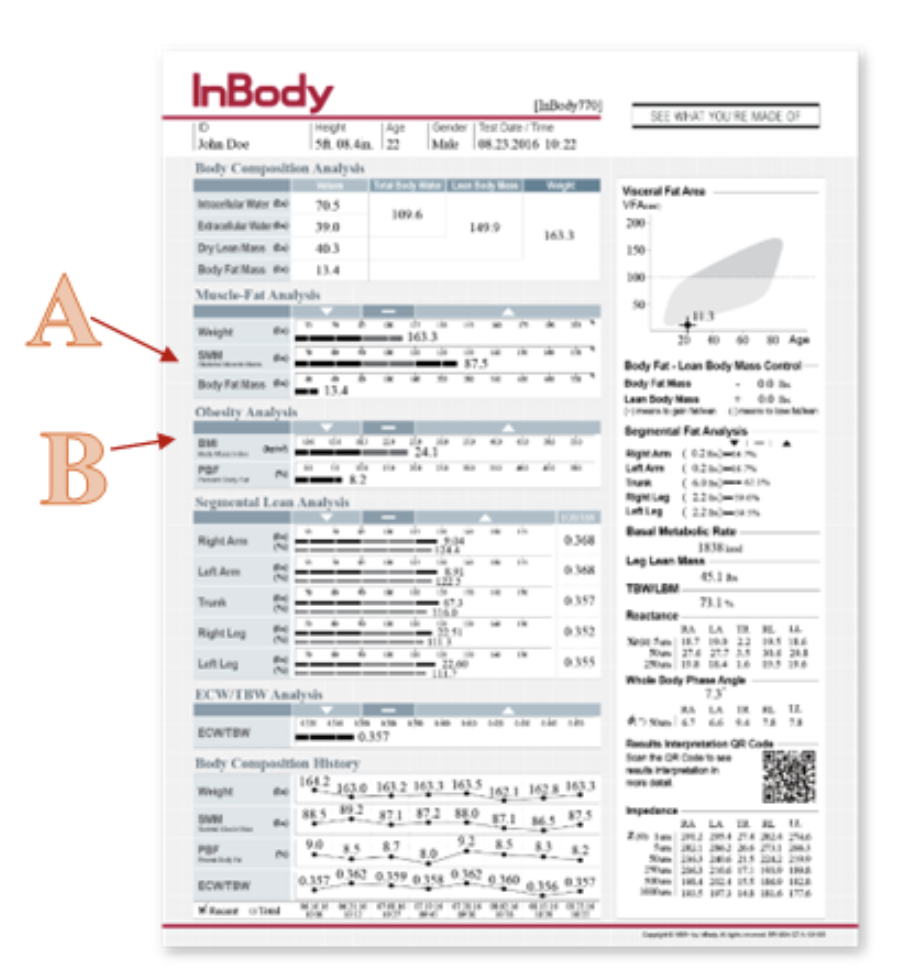
During your appointment, we may measure your body composition to understand more about your weight. Body weight is the sum of body fat mass (fat) and lean body mass (muscle). Body composition is a better marker of health than weight alone and will be tracked over time. You can find a more detailed explanation of the most important parts of your report below.
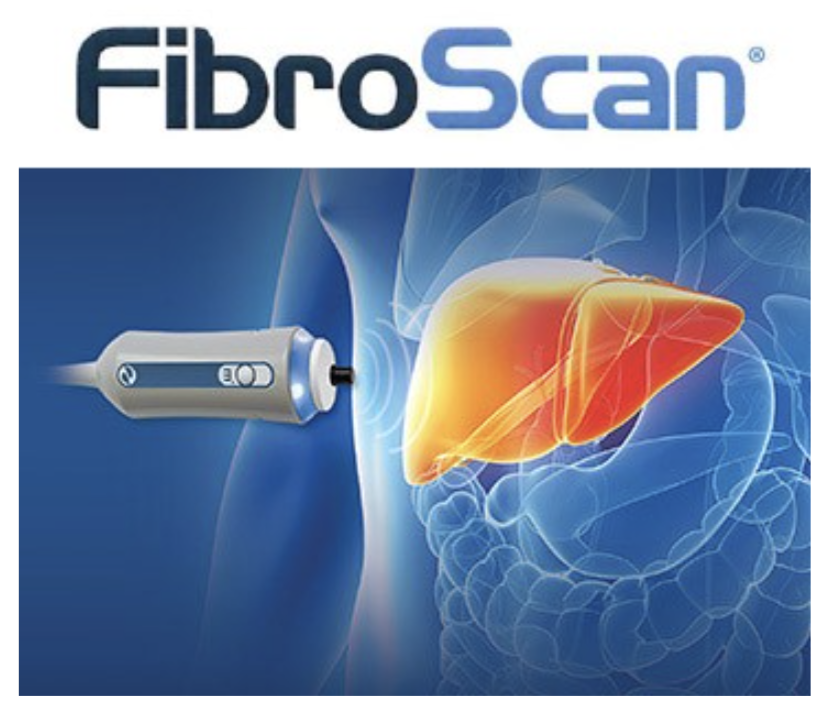
For patients with suspected liver steatosis, or “fatty liver,” it’s important to understand their risk of developing progressive liver damage, which is made of scar or “fibrosis.” We use FibroScan®, a non-invasive, specialized ultrasound, along with other imaging and lab tests, to help determine the health of your liver and guide treatment choices. We also use FibroScan® to periodically monitor for improvement or worsening of liver fat and scarring. These markers are used to determine your risk of developing more serious complications of liver disease including cirrhosis, which is when the liver develops a lot of scar tissue and no longer works properly.
We begin with detailed, personalized evaluations that inform individualized treatment planning:
These assessments support accurate characterization of metabolic and digestive status and are integrated into longitudinal care planning.
Based on assessment findings, the ICHANGE team collaborates to design and deliver comprehensive treatment plans that may include:
Services are delivered within a coordinated structure that fosters efficient access to multidisciplinary expertise — including gastroenterology, hepatology, endocrinology, cardiology, bariatric surgery, and nutrition. Personalized treatment plans are regularly reviewed and adjusted to reflect clinical progress and patient goals.
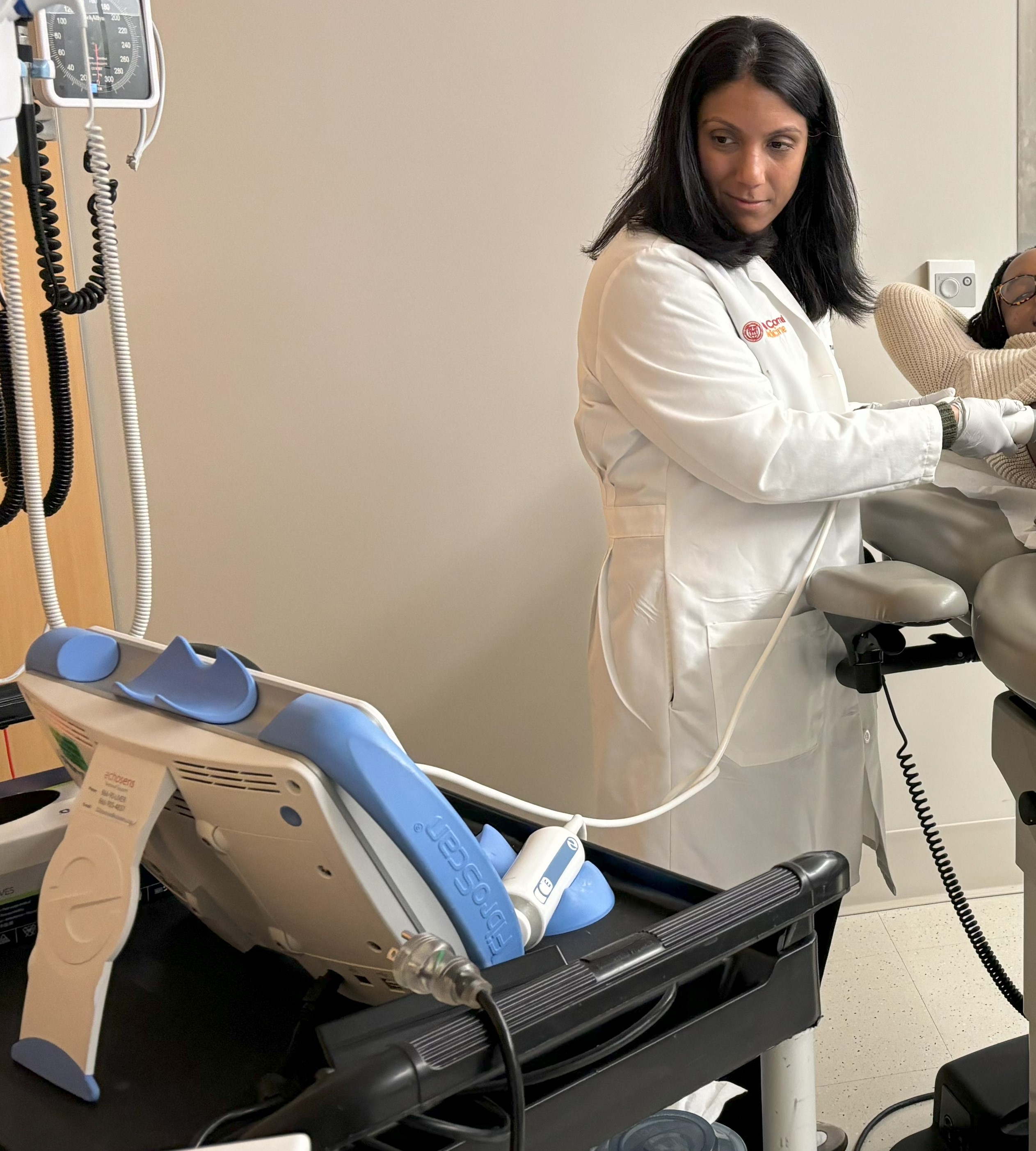
Dr. Sonal Kumar uses a FibroScan

