Read about upcoming changes to UnitedHealthcare coverage.
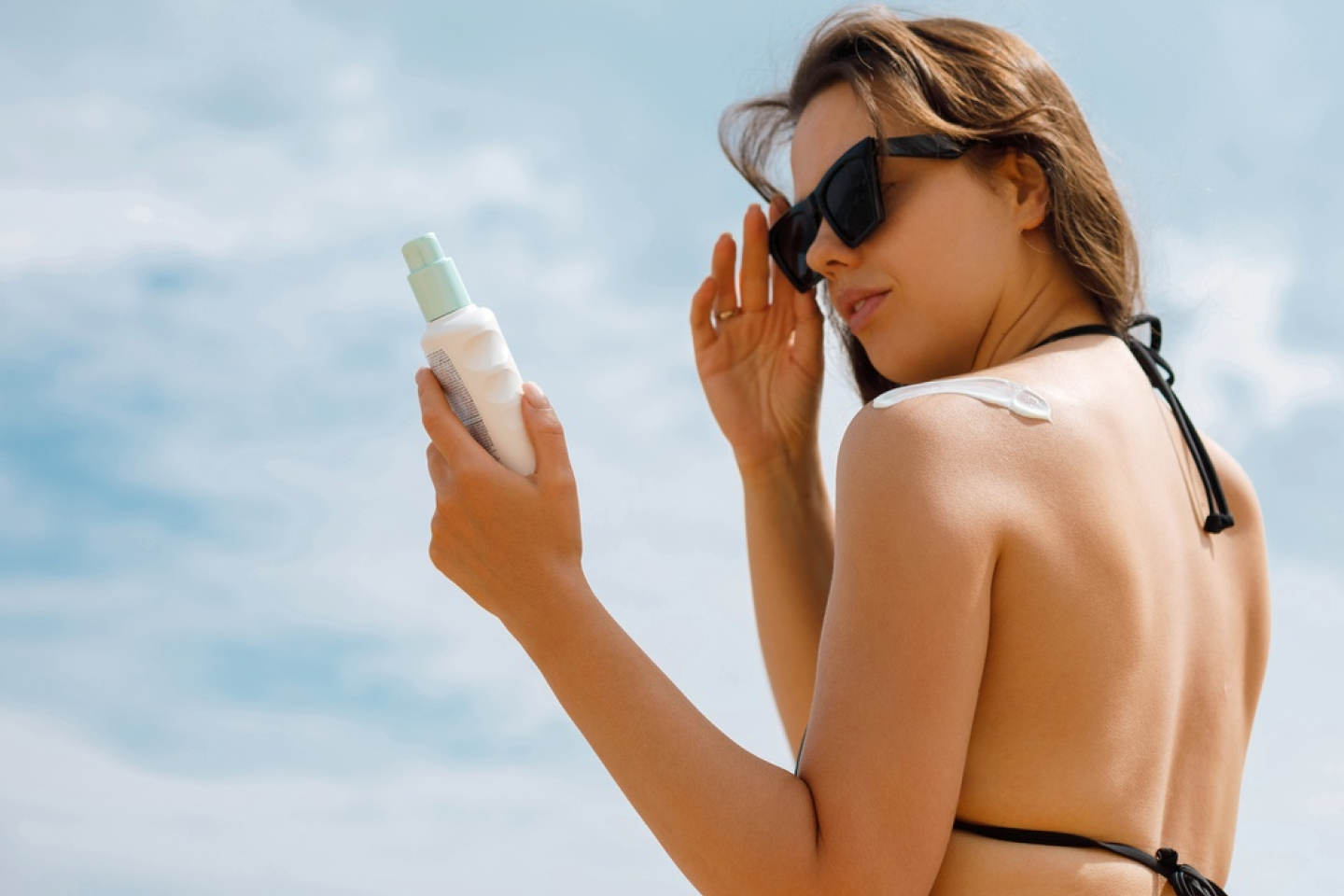
Sunscreen is an effective, low-cost tool for reducing skin cancer risk. According to Dr. Alreem Al-Nabti, Assistant Professor of Clinical Dermatology and Assistant Attending Dermatologist at Weill Cornell Medicine, regular sunscreen use potentially cuts melanoma risk in half.
Sunscreen is one component of an overall approach to sun safety that also includes shade, protective clothing and avoiding sun exposure during the hours when ultraviolet (UV) radiation is at its peak—typically, between 10:00 a.m. and 4:00 p.m. during the summer months.
Perhaps surprisingly, American sunscreens are less effective than those used in other parts of the world. American brands have been limited to a smaller, older set of approved filters. Most notably, they don’t include an ingredient called bemotrizinol, which has been used safely in Europe and Asia for more than two decades.
The Food and Drug Administration (FDA) recently gave the go-ahead for its inclusion in American sunscreen products, making it the first new sunscreen ingredient to receive FDA’s thumbs-up in more than 25 years.
Since the late 1970s, the U.S. has classified and regulated sunscreens as over-the-counter drugs. That means the FDA requires more safety evidence than the cosmetic ingredient rules used in other parts of the world.
In fact, the FDA has not given the green light to a new, active sunscreen ingredient since 1999—until now. That’s because the agency has repeatedly asked manufacturers for additional long-term safety data, especially related to its use in children and pregnant women.
The FDA has now classified bemotrizinol as "generally recognized as safe and effective" (GRASE) based on the safety data submitted, including studies evaluating its absorption into the body.
Bemotrizinol offers strong broad-spectrum protection across both UVA and UVB wavelengths. It doesn't break down as quickly in sunlight as avobenzone and other U.S. filters. And it tends to produce a lighter, more cosmetically elegant texture than older U.S.-approved chemical filters. “This is the core reason why European and Asian formulations have long had a reputation for better wearability and UVA coverage than U.S. options,” Dr. Al-Nabti explains.
UVA rays penetrate more deeply into the skin than UVB rays. They’re the main driver of photoaging, exemplified by wrinkles and sun spots. They also contribute significantly to skin cancer risk, and they pass through clouds more readily than UVB rays.
UVB rays are primarily responsible for sunburn, and they play a direct role in DNA damage linked to skin cancer. As well, SPF ratings on sunscreen products are based exclusively on UVB protection.
It means the sunscreen protects against both UVA and UVB rays, not just UVB. In the U.S., broad-spectrum labeling requires the product to pass an FDA test demonstrating meaningful UVA coverage, not just a high SPF number.
That said, no sunscreen is 100 percent effective. Its benefits depend heavily on using it regularly, applying the right amount on your face and body and reapplying it every two hours while you’re outdoors.
Surveys have identified the following reasons:
Most people know that sun exposure raises skin cancer risk, but fewer than a third practice daily sun protection. Only about 14 to 30 percent of Americans report regularly applying sunscreen to their face and other exposed skin.
Yes to both questions, says Dr. Shari Lipner, Professor of Clinical Dermatology and Attending Dermatologist at Weill Cornell Medicine. A substantial amount of UV radiation reaches the skin on overcast days. UV exposure is highest in summer, but it’s a year-round phenomenon. Dermatologists generally recommend daily sunscreen use regardless of the season or the weather, particularly on the face, neck, and hands.
“Use about one ounce (a shot-glass full) to cover the entire exposed body,” Dr. Lipner advises, “and roughly a nickel-to-quarter-sized amount (about ½ to 1 teaspoon) for the face and neck alone. Most people apply only 25 to 50 percent of these amounts, which substantially reduces the sunscreen’s effectiveness.”
“Sunscreen protection degrades with time, sweat, water exposure and friction (toweling off, for example), regardless of its SPF number. A common misconception is that a higher SPF means you’ll need to reapply it less often,” she says.
The general guidance is to reapply it every two hours, and immediately after swimming, heavy sweating or towel-drying, even with "water-resistant" formulas.
As for the new sunscreen products set to arrive in the U.S. by the end of the year, Dr. Lipner offers a final piece of advice: “People with known sensitivities to specific chemical ingredients should speak to a a dermatologist.
“Ongoing monitoring will continue, as is customary,” she adds. “However, pregnant women and those who are breastfeeding their infants should discuss any new skincare ingredients with their doctor.”
To make an appointment with a dermatologist at Weill Cornell Medicine, visit the department’s website here.

