Read about upcoming changes to UnitedHealthcare coverage.
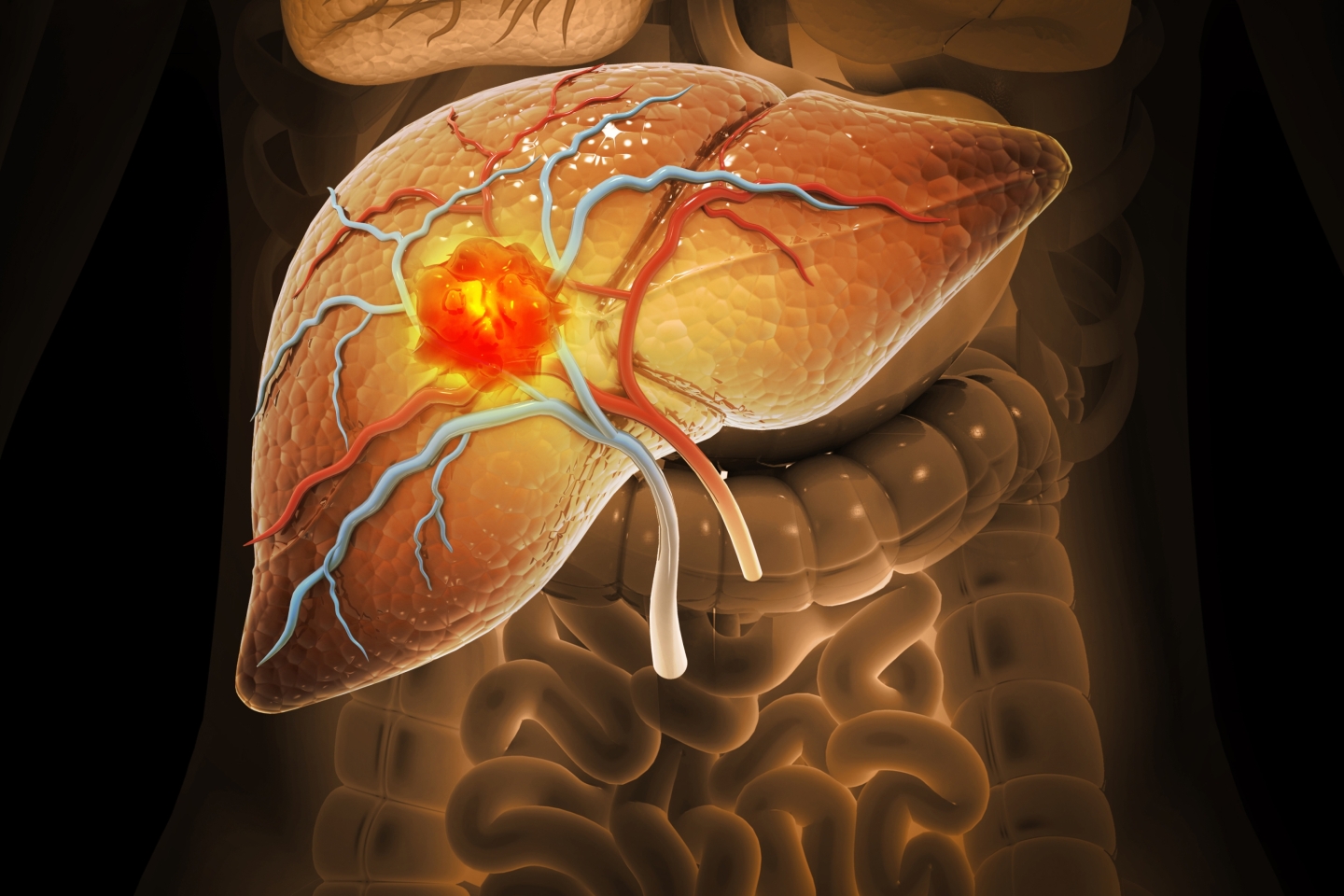
Liver cancer care is evolving quickly with new tools and technologies that are helping to expand what treatment is possible for patients with both primary liver tumors and other forms of cancer that have spread to the liver, also known as metastatic disease.
Dr. Juan Rocca, Surgical Director of the Weill Cornell Liver Cancer Program and attending surgeon specializing in liver transplantation and hepatobiliary surgery, and Dr. Manish Shah, a medical oncologist and Director of the Gastrointestinal (GI) Oncology program at Weill Cornell Medicine, share insights into these advances and why the liver is such a central organ in cancer care.
The liver is like a giant factory that does many different things in the body. Beyond producing bile for digestion, the liver processes nutrients and helps make proteins, hormones, and clotting factors. It also works around the clock regulating all of the body’s metabolic functions and is extremely important for sustaining life.
The liver is uniquely positioned in the body when it comes to the blood supply. The liver receives blood from both the hepatic artery, which carries oxygenated blood from the heart, and the portal system, which carries nutrient-rich blood from the intestines and digestive system.
This is important for daily processing and metabolism, but if there is cancer in the digestive system, it can deliver cancer cells directly into the liver and spread the disease. Because of this portal pathway, the liver often becomes a common site for metastatic cancer.
The flipside is that this very same liver anatomy and blood flow system can be leveraged to help deliver targeted cancer treatments directly into the liver. In short, the liver isn’t just a site of cancer. It can shape the entire treatment landscape.
Because many liver tumors are largely supplied blood by the arterial system, delivering therapy through the arteries can preferentially attack liver tumors that start in the liver and cancers that have metastasized or spread there, while potentially sparing the healthy liver tissue that is also “fed” by the portal system.
Embolization is a type of therapy that can be delievered directly to the liver tumor by the artery that supplies that tumor, and encompasses diverse treatments like chemotherapy or radiation with Y-90 radioactive beads. This type of treatment can kill cancer cells in a variety of ways, including by delivering high dose radiation directly to tumors from within or by blocking the cancer cells primary blood supply and in some cases, cutting them off and starving the cancer cells.
Due to its role in processing nutrients and medications in the body, the liver is also able to influence treatment responses to systemic therapies – or therapies that circulate through the entire body, such as chemotherapy and immunotherapy. “The liver can affect overall immunity and immunotherapy effectiveness, and what’s really emerging is that if there are metastases to the liver, they can actually lead to a kind of immune resistance,” Dr. Shah says. “This is shaping how we understand the immune system and why some people respond better to certain cancer therapies than others.”
It’s not clear how to overcome this type of resistance that is induced by the liver. However, combination treatment strategies are likely necessary. For example, immotherapy drugs, such as checkpoint inhibitors, can be combined with other targeted therapy drugs such as kinase inhibitors or monoclonal antibodies, or targeted therapies can be combined with chemotherapy to help overcome this resistance. These combinations may help allow the immune cells to infiltrate the tumor better.
When it comes to treating primary liver cancer and metastatic liver tumors, surgery remains a cornerstone of therapy. The liver is like a big sponge that holds a significant amount of blood, so traditional surgery poses some risks. Bleeding, bile leak, and liver failure remain general surgical complications.
Minimally invasive surgical approaches reduce the risk of complications for many patients. Robotic surgery can be thought of as surgery through small keyholes, where a human surgeon commandeers a robot with tiny arms which act like miniature hands inside the body. This technology can allow complex procedures with much smaller incisions and often faster recovery times.
For widespread cancer in the liver, liver transplantation can be an option for some patients. Instead of cutting out and removing selected pieces of the liver containing cancerous cells, the goal with liver transplantation is to cut out the entire diseased liver, and then replace that liver with a normal, healthy liver from a donor. This can be done through either deceased-donors or as a living-donor transplant because of the ability of the liver to regenerate and grow back.
These advances in technology have enabled treatment for more cancer patients with disease that is in difficult to reach areas, as well as for metastatic cancer that has spread to the liver from other areas of the body.
For example, a newer application of liver transplant is for patients with advanced colorectal cancer that has metastasized to the liver. For many patients, the liver lesions can be removed successfully with open, laparoscopic and robotic surgery. However, for some patients that have too many liver metastases, the ability to offer liver transplant as a treatment option for these patients has significantly improved outcomes and given an option to patients where other therapies are not feasible. These patients who have undergone liver transplantations have been able to live longer without cancer progression than patients who underwent other treatments for their liver metastases.
A variety of approaches can destroy tumors without removing them. Radiation therapy uses high-energy rays or particles to kill cancer cells. Radiation damages the DNA within the cancer cells, preventing the cancer from replicating and shrinking tumors. Traditional radiation therapy is given via a machine that focuses beams of radiation on the cancer from outside the body, also known as external beam radiation. Stereotactic body radiation therapy (SBRT) uses precise, focused, overlapping beams to target liver tumors while reducing radiation to nearby healthy tissue. SBRT can typically be given over a shorter course of time compared to other forms of radiation therapy.
Ablation is another type of local therapy that typically uses heat to kill cancer cells by inserting a needle into the tumor and raising the temperature to “cook” the cancerous tissue. Microwave ablation is commonly used in this manner. In this procedure, a thin probe is guided directly into the tumor, and microwave energy rapidly heats the tissue and causes cancer cells to die. This allows doctors to target tumors while preserving as much healthy liver tissue as possible. Another form of ablation known as cryoablation uses extreme cold instead of heat to kill cancer cells.
A newer non-invasive technique known as histotripsy uses ultrasound waves to target tumors. “Instead of creating high temperature in the area, it creates ‘shock waves’, Dr. Rocca explains. “They then liquefy the tissue and help to melt away tumors. Histotripsy has the advantage that it does not require any sort of incision or needle to go into the body in order to target the cancer.”
Treatment with histotripsy has a potential advantage when tumors sit near critical structures like the bile ducts and blood vessels. The rationale is that histotripsy may not destroy the blood vessels or the bile ducts due to the high collagen in them—potentially preserving the liver’s “scaffolding” while eliminating cancer cells.
Research and long-term data is still developing as to which patients may best benefit from histotripsy versus other local and regional cancer treatments, but this is an exciting new technology that offers more options for patients.
With so many treatment tools available, individualized planning and a personalized approach is essential. According to Dr. Rocca, “The key to all this is to look at each patient, what type of tumor they have, its location, and how the cancer has responded to chemotherapy or immunotherapy. It’s really important that we try to pair the right treatment options for each particular case, while leverging the entire toolkit that is available.”
Multidisciplinary team members, from across different departments including surgery, radiation oncology, interventional radiology, medical oncology and beyond, all work together to make these decisions. Factors that the team evaluates incorporate the individual patient circumstances and these recommendations depend on the number of liver lesions and their relative location to a blood vessel or to the bile duct, along with overall liver function and health.
These innovations have expanded the number of patients who can benefit from surgery and other forms precision medicine and individualized cancer treatments. Often surgeons can now even treat cancers that they previously would not have otherwise been able to treat.
Dr. Shah describes modern liver cancer care as “diverse and complicated, and best delivered through teams that can combine surgery, image-guided therapies, radiation, systemic treatments, and clinical trials to match the right approach to the right patient.”
This combined progress has opened doors that were not possible until more recently. Many more patients can now safely undergo a variety of treatments, more challenging tumors can be targeted, and advanced disease can be treated and managed in more ways than ever before. For patients with liver cancer or cancer that has spread to the liver, the treatment landscape is expanding rapidly as innovation continues to move the field forward.
To learn more about the evolving landscape of treatments for liver cancer and metastatic cancer that has spread from its original location to the liver, tune in to the Weill Cornell Medicine CancerCast Podcast where Drs. Rocca and Shah discuss this topic in more detail. Listen on Apple Podcasts, Spotify, YouTube, or the Weill Cornell Medicine website.

