Read about upcoming changes to UnitedHealthcare coverage.
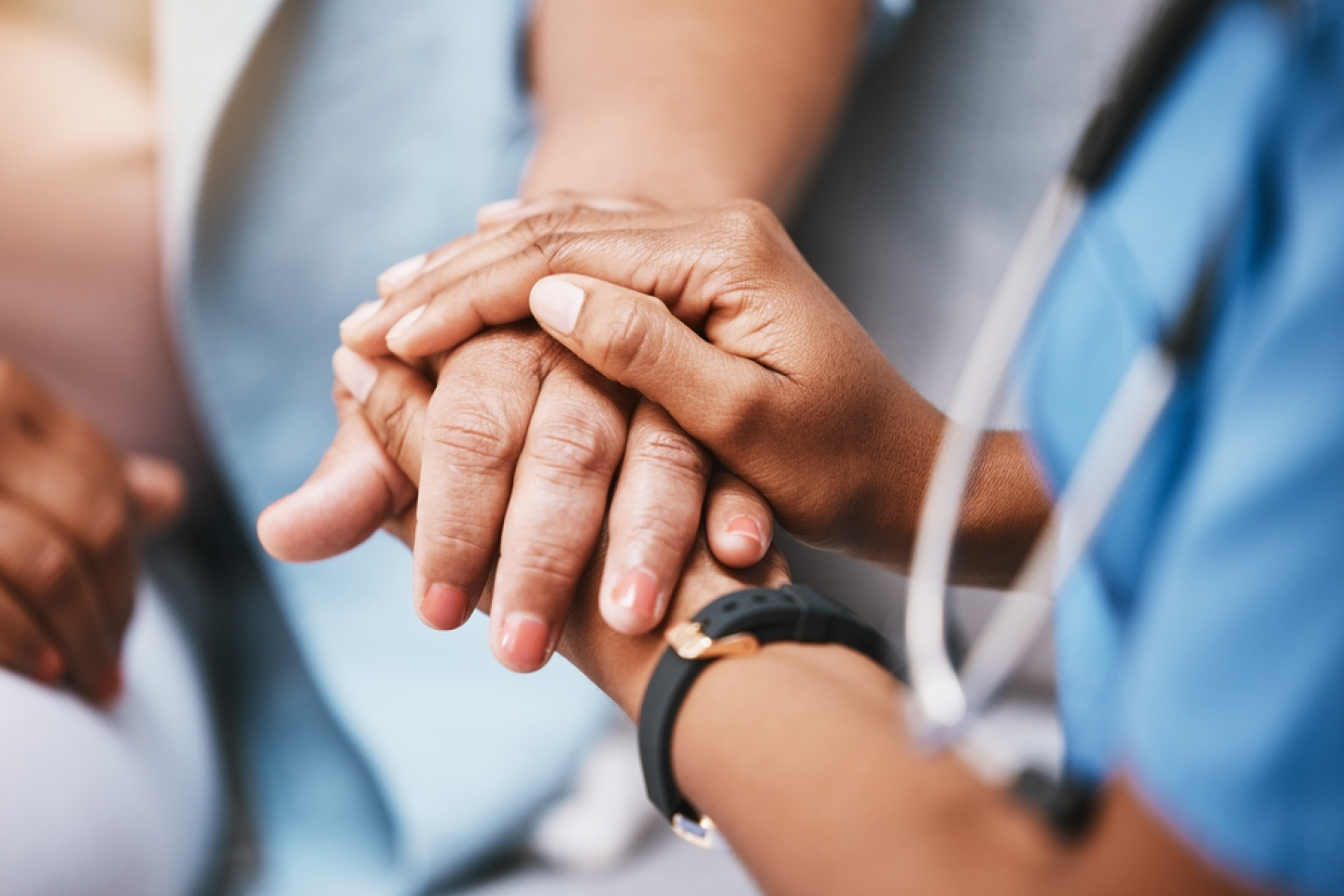
Thanks to improved diagnostic capabilities and advanced cancer treatments, nearly 1 in 18 Americans is a cancer survivor, according to the American Cancer Society. If you’re one of them, participating in cancer rehabilitation and cancer survivorship programs today helps make the most of tomorrow.
“This is such an exciting time to be involved in cancer care,” says Emily S. Tonorezos, MD, MPH, Director of the Iris Cantor Breast Cancer Survivorship Program. “Every aspect of care continues to improve, and more people are living long, healthy lives after treatment. As a result, we’ve developed programs that were practically unnecessary 30 or 50 years ago.”
Read on to learn how cancer rehabilitation and intentional survivorship efforts help improve your quality of life after treatment is finished.
Chemotherapy, radiation therapy and cancer surgery can affect your strength and quality of life. Cancer rehabilitation services aim to help manage long-term side effects and regain lost function.
Depending on your needs, your oncology rehabilitation team may include physical or occupational therapists, clinical dietitians and other experts. They work together to provide a range of tailored services that may begin during treatment.
Services offered include:
● Medication therapy. If cancer treatment causes pain, infection or inflammation, an expert can prescribe proper medication to help.
● Nutritional counseling. A dietitian helps you develop an eating plan during and after treatment.
● Occupational therapy. An occupational therapist helps you relearn how to perform everyday tasks, such as tying your shoelaces or cooking.
● Physical therapy. You perform special exercises to regain strength and flexibility under the guidance of a physical therapist.
Once cancer treatment ends, cancer survivorship programs provide a safe place to land. They guide survivors along the next step of their journey and provide a community of fellow travelers.
One such program, the Iris Cantor Breast Cancer Survivorship Program at Weill Cornell Medicine, offers continuing care for breast cancer services. Through the program, survivors access free wellness services, including:
● Nutritional counseling
● Online educational opportunities and an annual survivorship symposium
● Opportunity for long-term survivors to support newly diagnosed women
● Support groups
● Yoga and other exercise programs
While these survivorship programs are relatively new, the need has been around for some time.
“There are some women in the program who had breast cancer 35 and even 40 years ago,” says Dr. Anne Moore, medical director of the Breast Center at Weill Cornell Medicine. “These patients don’t need the same type of acute care anymore. They wanted a home, and we developed our survivorship program to be just that.”
Millions of Americans live long lives after undergoing cancer treatment. Rehabilitation and survivorship programs can help improve post-treatment quality of life.
Ready to take the next step in your survivor journey? Find a doctor at Weill Cornell Medicine to get started.

