Read about upcoming changes to UnitedHealthcare coverage.
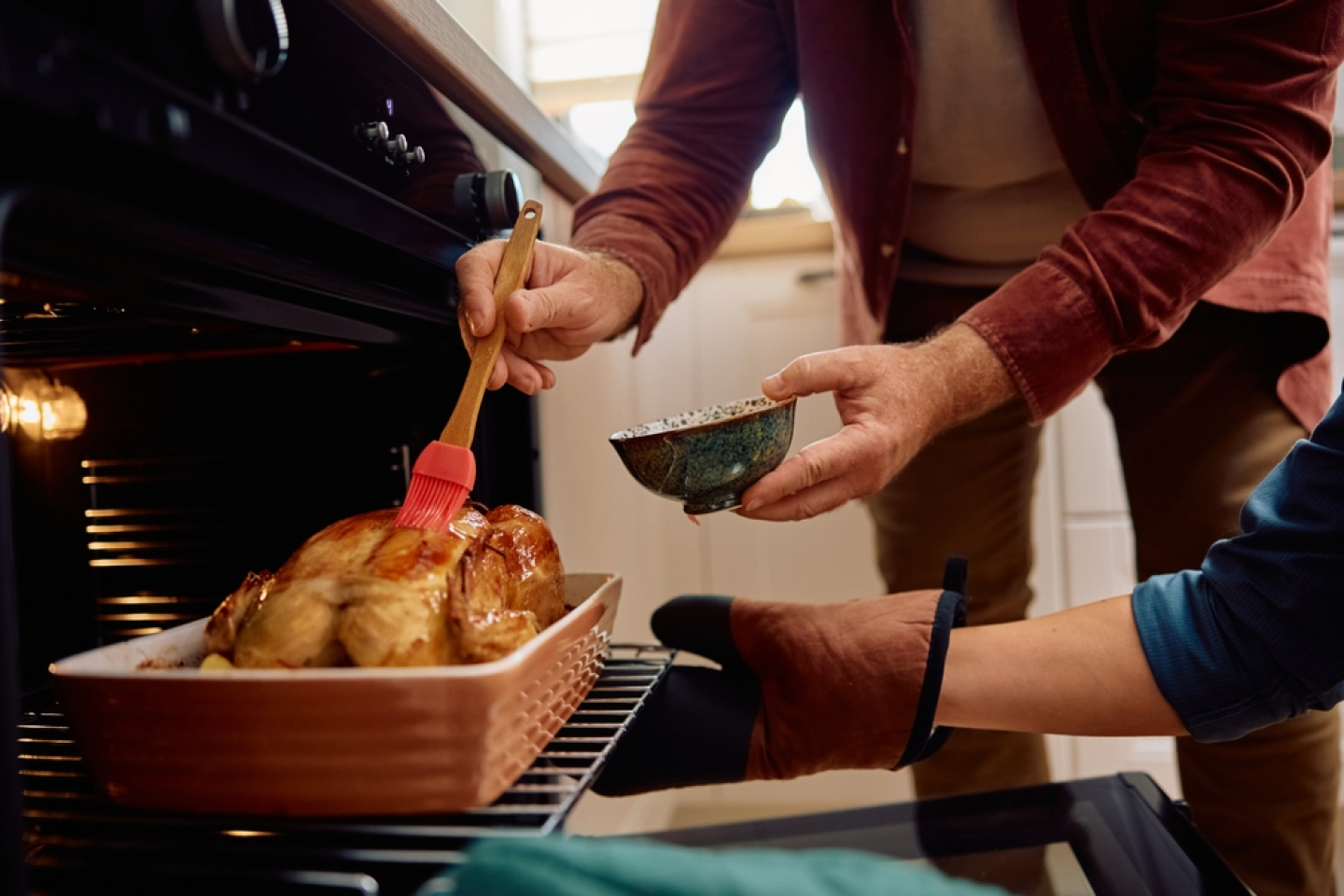
Balancing tradition and health during the holidays doesn’t mean giving up your favorite foods. By making deliberate choices about what goes on your Thanksgiving plate, you can fully participate in the feast while keeping your blood sugar steady and avoiding post-meal spikes.
To enjoy Thanksgiving with diabetes, build a balanced meal of half nonstarchy vegetables, a quarter lean protein like turkey and a quarter carbohydrates. Let’s explore how a little planning and smart portion choices can help you savor every bite without derailing your goals.
“Skipping your favorite foods can reduce your enjoyment of the holiday,” says Rachel Stahl Salzman, a registered dietitian and certified diabetes education specialist with the Weill Cornell Medicine Division of Endocrinology. “This Thanksgiving, focus on intention, not restriction. Your Thanksgiving meal can include anything on the menu. You simply need to be strategic about how you divvy it up.”
The Centers for Disease Control and Prevention recommends the plate method, which you can use year-round. When you build your dinner this Thanksgiving, devote:
The number of calories in a Thanksgiving plate depends on the foods being served and which ones you choose. Many Thanksgiving menus are high in calories, so a typical holiday portion can approach or exceed the general guideline of 2,000 calories per day. Your daily calorie needs may be higher or lower, depending on factors such as your age, sex and activity level.
In addition to following the plate method, there are more steps you can take to eat healthy at Thanksgiving while following a diabetes diet. You can:
Taking steps to have a healthy Thanksgiving isn’t the only reason to refocus on diabetes management around the holiday. November is National Diabetes Month, a great time to ensure your care plan is up to date and you’re following it closely.
Whether you have questions about navigating holiday eating or want to ensure your A1C is where it needs to be, check in with your diabetes care team. Your primary care provider, endocrinologist, nutrition specialist and other team members can help you keep your blood sugar under control so you can enjoy everything the holiday season has to offer.
You can fully enjoy your Thanksgiving meal while keeping your blood sugar in check. With a clear plan, smart portioning and thoughtful choices, you can reduce or eliminate the stress of navigating the holiday menu with diabetes. Follow these tips:
Need help managing diabetes through the holidays? Find a doctor at Weill Cornell Medicine today.

