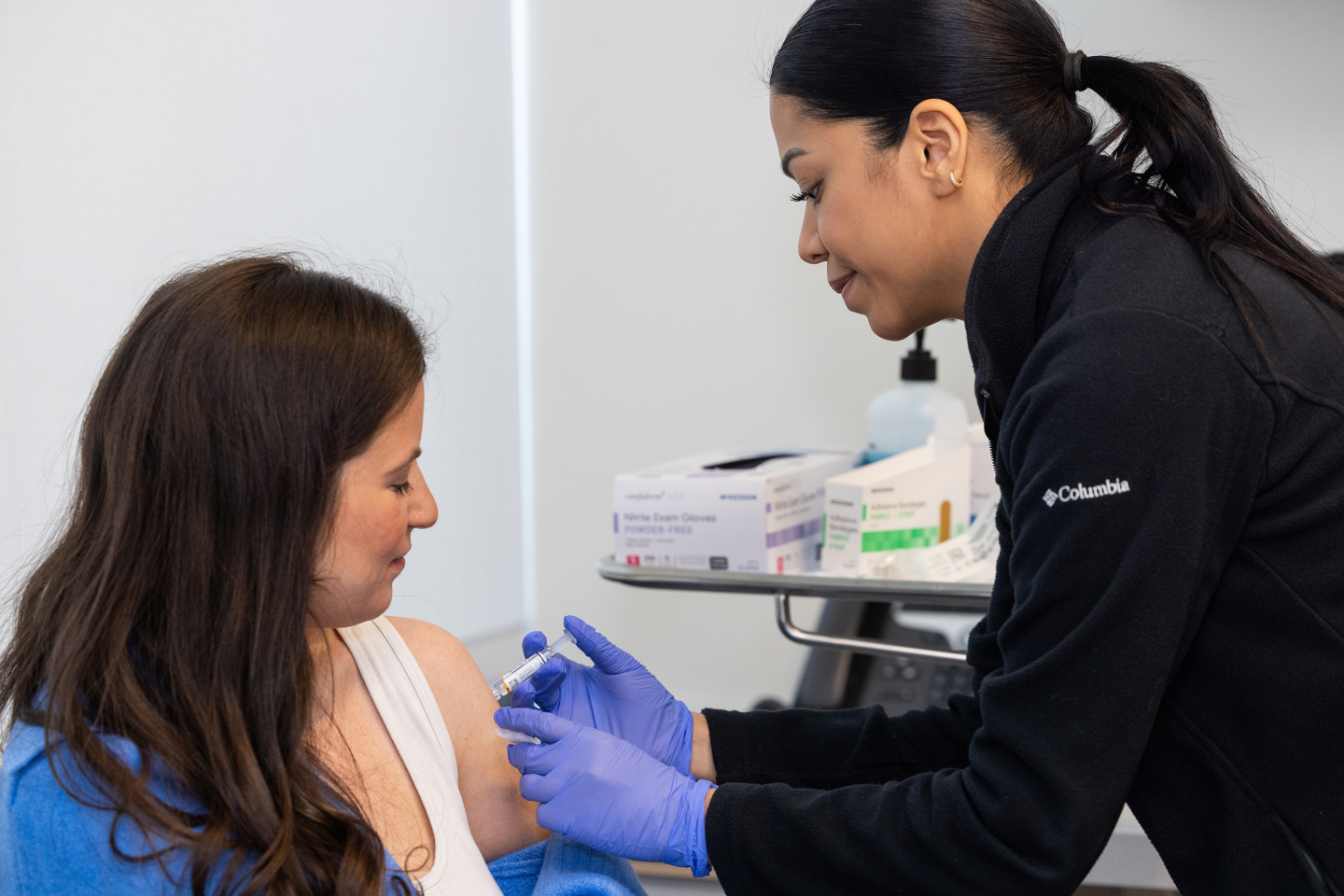
Staying healthy usually starts with a strong defense, and vaccines are among the best tools we have to get ahead of illness. For many, the question of why vaccines are important comes down to understanding what they do and how they can protect you and your loved ones. The vaccines we use in the U.S. undergo years of careful testing to make sure they’re both safe and effective. By following a recommended vaccination schedule, you are giving your immune system a way to build immunity against illness.
The Science of Protection
To understand the value of vaccines, it helps to look at how they work within the body. A vaccine acts as a rehearsal for your immune system. By introducing a harmless component of a virus or bacteria, vaccines “teach” your immune system to recognize and fight off specific pathogens without you ever having to get sick.
Once your immune system is ready, it can stop a disease from spreading before it causes harm. This doesn’t just protect you—it also protects people with weakened immune systems, such as patients undergoing certain medical treatments or those with chronic conditions.
The Power of Herd Immunity
Especially in a crowded place like New York City, we rely on herd immunity to stay safe. When most people are immune to a contagious disease, the germ has limited opportunities to travel from person to person. This team effort is why we don’t have to worry about many deadly diseases. However, when vaccination rates dip, even slightly, it creates gaps that allow vaccine-preventable diseases to resurface. Maintaining high levels of herd immunity helps keep our subways, schools, office buildings and restaurants safe for everyone.
Childhood Vaccines
Providing comprehensive care for the youngest patients involves following a carefully timed vaccination schedule. Designed to protect children when their immune systems are most vulnerable to serious complications, childhood vaccines include:
- DTaP/Tdap vaccine: This protects against diphtheria, tetanus and pertussis (whooping cough), which can be life-threatening for infants.
- Hepatitis B vaccine: This vaccine prevents hepatitis B, a chronic liver disease that can increase cancer risk.
- Human papillomavirus (HPV) vaccine: This vaccine protects adolescents from several types of cancer later in life.
- Measles, mumps and rubella (MMR) vaccine: The MMR vaccine is incredibly effective. Because measles is so contagious, high coverage is essential, which is why many local schools require these vaccines for enrollment.
- Pneumococcal vaccine: This vaccine protects against severe bacterial infections, including pneumonia and meningitis.
- Polio (IPV) vaccine: This vaccine is instrumental in preventing a once-widespread disease that caused paralysis.
Vaccines During Pregnancy
Pregnancy is a vital window for vaccinations. Getting vaccines isn’t just about the mother’s health; it’s also about providing the earliest possible protection for the baby. Recommended vaccines during pregnancy include:
- Flu shot: Pregnancy can change the immune system, making expectant mothers more vulnerable to severe illness. The flu shot is a safe way to prevent complications for both mother and baby.
- RSV and COVID-19 vaccines: Getting these shots during pregnancy protects newborns and moms from respiratory viruses during peak virus seasons.
- Tdap vaccine: Doctors recommend the tetanus, diphtheria and pertussis vaccine during the third trimester of every pregnancy. This allows the mother to pass high levels of antibodies to the baby, protecting them from whooping cough before they are old enough to be vaccinated themselves.
Essential Immunizations for Adults and Seniors
We don’t outgrow the need for vaccines. In fact, our immune systems naturally weaken as we age, making us more susceptible to certain infections. That’s why it’s important to stay current with adult vaccines, such as:
- Flu shot: People 65 years and older are considered high risk for developing flu complications. There are several flu vaccines available for adults, including those specifically recommended for seniors 65 and older.
- Pneumococcal vaccine: Recommended for adults 65 and older, this vaccine helps prevent serious lung and blood infections.
- RSV vaccine: This newer vaccine for adults age 60 and older helps prevent RSV, which is a common reason for hospitalization.
- Shingles vaccine: If you've ever had chickenpox, you’re at risk for shingles. This vaccine for adults 50 and older helps prevent a painful rash.
Key Takeaways
Knowing your options is the first step toward a healthier life for you and the people you love.
- In the U.S., people have access to vital immunizations, such as the MMR, polio and HPV vaccines, as well as seasonal boosters. These vaccines are designed to prevent deadly diseases and lifelong complications.
- Beyond your own health, vaccines are the foundation of herd immunity. This means vaccine-preventable diseases cannot easily spread.
- Following the recommended vaccination schedule is a safe and effective way to "teach" your immune system to recognize threats and protect your health.
For more information on vaccines, safety data and how we are leading the way in health care, visit the Weill Cornell Medicine Here’s What We Know portal.