Read about upcoming changes to UnitedHealthcare coverage.
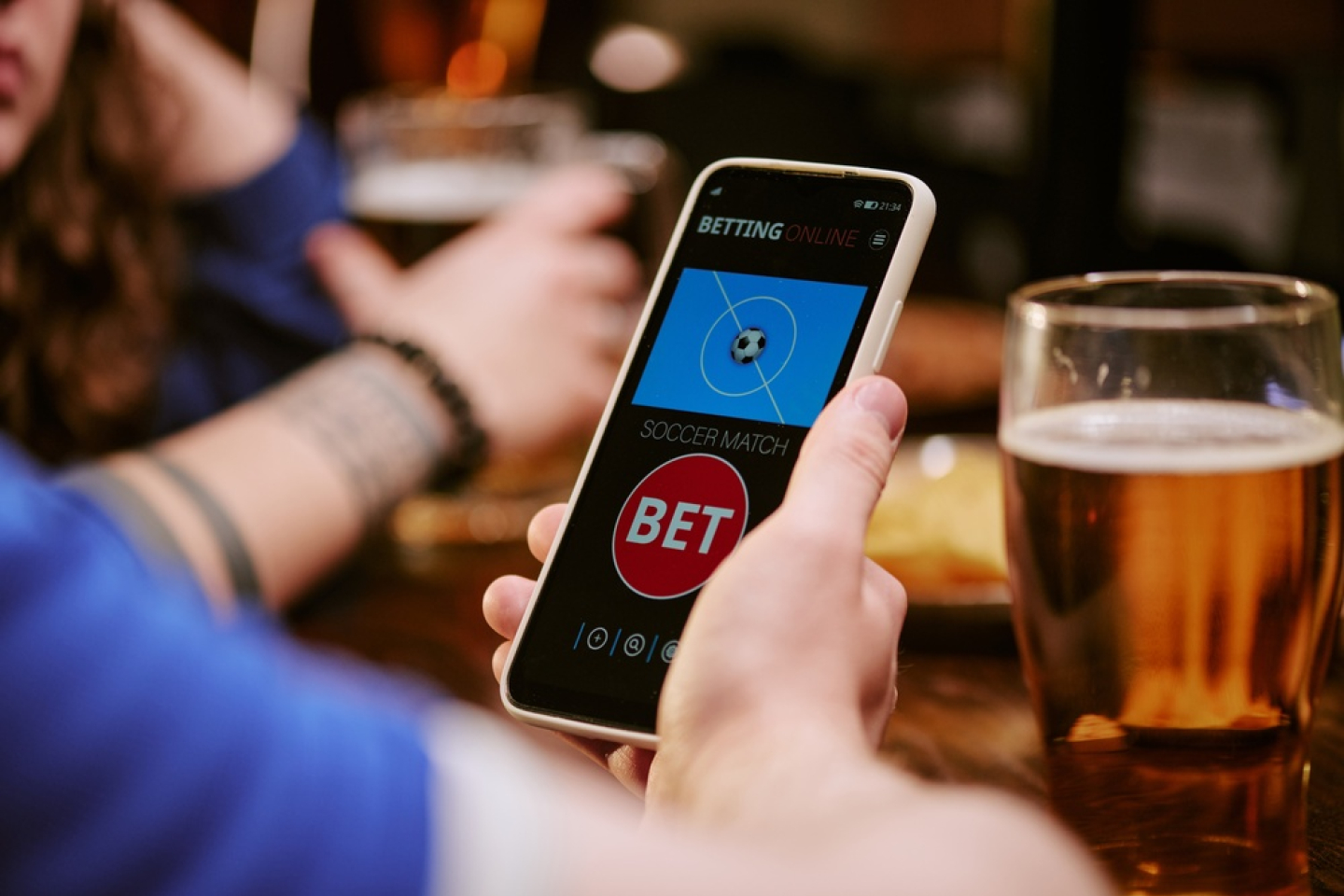
Betting now and then can be fun, but it can get out of hand. With gambling more accessible than ever, the National Council on Problem Gambling reports that nearly 20 million Americans experienced multiple “problematic gambling” behaviors over the past year. If you struggle to stop gambling, you may develop a gambling disorder.
“Addiction is a very stigmatized field,” says Dr. Jonathan Avery, vice chair for Addiction Psychiatry at Weill Cornell Medicine, where he also serves as program director of the Addiction Psychiatry Fellowship and the Stephen P. Tobin and Dr. Arnold M. Cooper Professor in Consultation-Liaison Psychiatry. However, with gambling so prevalent and addictive, “we need to talk about it as much as we can.”
Keep reading to learn more about how to recognize and ultimately stop unhealthy gambling habits.
While they sound the same, a gambling addiction is not the same thing as a gambling disorder. You may have an addiction if you’re unwilling to stop gambling and experience other signs or symptoms, such as:
According to Dr. Avery, a gambling disorder goes a step beyond addiction.
“With a disorder, your gambling is starting to interfere with your function, getting in the way of things you’d rather be doing with your life,” he says. “Because of how it works in the brain, a gambling disorder behaves like other addictions.”
As a result, a gambling disorder can cause the following:
While it can affect anyone at any age, your risk of developing a gambling disorder is higher with the following risk factors:
There’s also one other connection, a link that Dr. Avery sees in most individuals who develop this difficult condition.
“The common pathway is often trauma,” Dr. Avery says. “A lot of people who have had trauma end up with gambling disorder or substance abuse disorders.”
Despite the rising popularity of and access to gambling, the likelihood of developing a gambling problem that becomes a disorder remains relatively low. The World Health Organization stated that approximately 1.2% of the world’s adult population has a gambling disorder.
To receive a diagnosis, you must display at least four specific diagnostic criteria within the past year, according to the American Psychiatric Association. A few of these criteria include:
If you notice the symptoms above, the first step toward recovery is admitting that a problem exists.
“Addiction hides in the shadows,” Dr. Avery says. “If you’re struggling, tell anyone—your significant other, your parents, your clinician. Until you do that, there’s no way forward.”
Once you take that step and receive a diagnosis, your care team can develop a treatment plan for your gambling disorder. Options include:
To make these treatments as effective as possible, you may need to take another step. It can help to hand over the reins to your finances. If you put your money in the hands of a family member or trusted financial advisor, make sure you can’t access your money without their permission. Also, ask them to keep tabs on your credit cards and other lines of credit.
“You want as many steps as possible between your desire to use and actually using,” Dr. Avery says. “Doing this can feel powerless, but often that's the critical step that lets your brain reset.”
With that reset, you take a solid step toward restoring your relationship with money and gambling.
Thanks to online gambling, it’s easier than ever to bet on sports, politics and more. Unfortunately, all this access comes at a cost, including increased risk of a gambling disorder.
Take the first step toward recovery. Find a doctor at Weill Cornell Medicine today.

