Read about upcoming changes to UnitedHealthcare coverage.
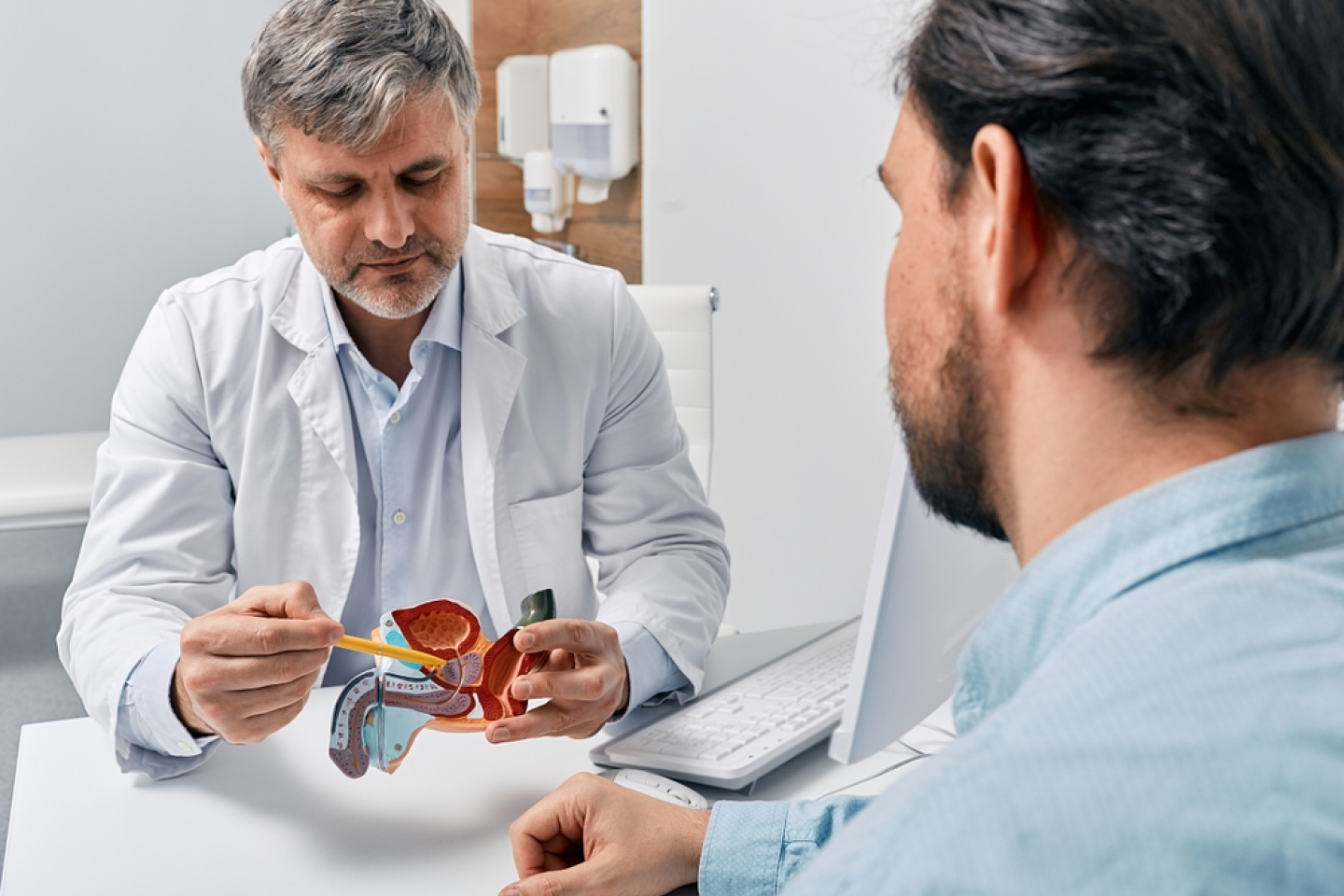
A webinar given by Dr. James Kashanian, Director of Male Sexual Health, Associate Director of the Center for Male Reproductive Medicine and Assistant Professor of Urology and Reproductive Medicine at Weill Cornell Medicine
Our goal is to treat reversible conditions and help couples conceive naturally. We also aim to identify couples where natural conception is unlikely, and who may be candidates for in vitro fertilization (IVF).
Beyond azoospermia (no sperm in the ejaculate), we look for other conditions known to cause male infertility, such as:
Initial screening for infertility can be offered by any health-care provider. Screening will including semen analysis and the couple’s reproductive history. If the man’s semen is abnormal, he’ll be referred to a specialist like Dr. Kashanian.
According to the World Health Organization (WHO), there is no sperm count low enough to rule out conception or high enough to guarantee it. However, if there’s no sperm at all in a man’s ejaculate, the couple won’t be able to conceive naturally.
Lifestyle modifications: decrease or eliminate illicit drug use, cut back on alcohol, reduce heat exposure (e.g., hot baths), modify diet, increase exercise. Note: Men who are overweight or obese have a higher incidence of low sperm count.
Hormone manipulation: Don’t take testosterone. Your fertility specialist will prescribe medication that encourages your body to produce your own testosterone.
Varicocele repair: Studies have shown up to a 3x likelihood of conceiving naturally after varicocele surgery. Varicoceles can also cause pain or declining testostostone levels.
Sperm extraction (from the epididymis or testicles): In men with azoospermia, sperm can be surgically retrieved from the testicle and used successfully with IVF in order to conceive.
View the complete webinar here.

