Read about upcoming changes to UnitedHealthcare coverage.
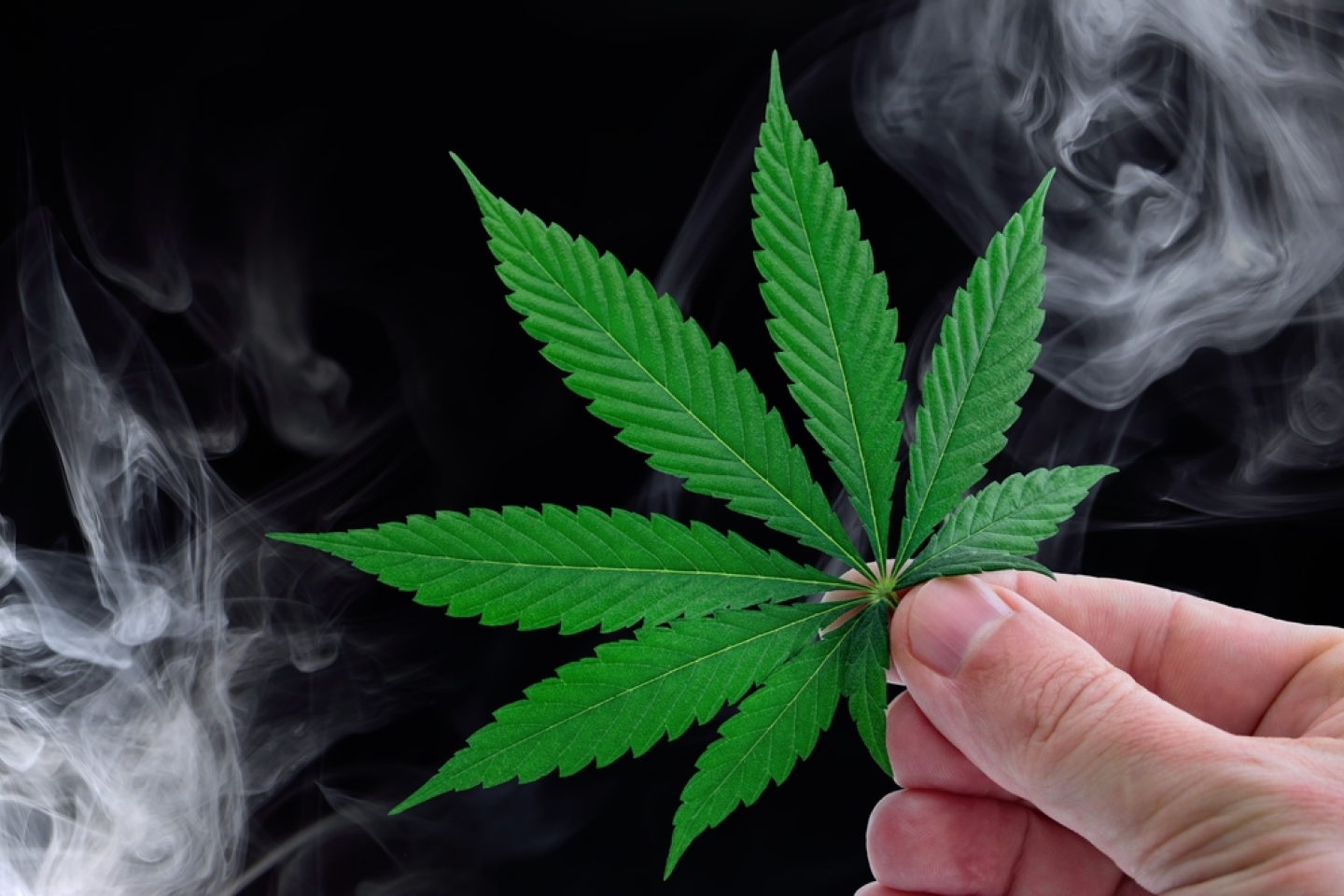
Cannabis goes by many names: pot, marijuana and weed, to name a few. No matter what you call it, it’s the most commonly used federally illegal drug in America, according to the Centers for Disease Control and Prevention. While using weed is unlikely to lead to a fatal overdose, you may develop a cannabis use disorder.
“Use weed a lot, and your body becomes physically dependent on it,” says Dr. Beverly Shin, clinical assistant professor of psychiatry at Weill Cornell Medicine. “If you take it away and your brain reacts badly, that’s when we say you have a cannabis dependence.”
Taken from the marijuana plant, cannabis can be used in many ways. It’s often rolled up into a joint and smoked like a cigarette or cigar, but it can also be smoked in a pipe or even vaped. Some people mix it into food or brew it into tea.
Whether smoked, eaten or drunk, marijuana can get you high. When in this state, you may feel relaxed and suddenly hungry. These benefits are reasons some use medical marijuana. However, marijuana use can lead to difficulty with the following:
Use large amounts of weed or high-potency cannabis, and you may also deal with other side effects, such as hallucinations, panic, fear or anxiety. All of these mind-altering effects are due to chemical compounds found in marijuana.
“Cannabidiol (CBD) and tetrahydrocannabinol (THC) get a lot of airplay,” Dr. Shin says, “but there are many potentially psychoactive compounds inside the cannabis plant. They're not all thought to be psychoactive, but it's possible that all of them work together.”
As pleasurable as getting high may be, that high comes at a cost. In addition to the side effects mentioned above, frequent cannabis use can have long-term effects that include physical and psychiatric problems.
These include:
An additional problem faced by weed users is developing a substance use disorder. The Substance Abuse and Mental Health Services Administration found that approximately 10 percent of those who smoke cannabis or use weed in other ways develop cannabis use disorder. Users who start before age 18 are at even higher risk of developing marijuana addiction.
With so many potential health problems, it’s important to recognize and treat cannabis use disorder. Those experiencing this condition may have the following symptoms:
To determine if your marijuana use is affecting your life negatively, Dr. Shin offers a way to self-diagnose. Ask yourself these questions:
“If the answer to these questions is no and weed is causing you to miss out on life or not feel well,” Dr. Shin says, “it’s worth considering whether you have cannabis use disorder.”
When marijuana use becomes more than an occasional habit, you may need professional help to recover. While there is currently no approved medication for cannabis use disorder, available treatment options include the following:
A good first step toward recovery is to visit the Weill Cornell Medicine Support, Advocacy and Family Education (SAFE) program. Directed by Dr. Evguenia Makovkina and Dr. Nicholas A. Romano, the program provides education and resources for improved health, all while treating you as you want to be treated.
“When a person is in a substance abuse cycle, it can be really uncomfortable to break that cycle,” Dr. Shin says. “They need a lot of support, which we’re here to provide.”
Marijuana is the most used federally illegal drug in America. Use it too much, and you may wind up with a variety of health issues, including cannabis use disorder.
Want to better understand how marijuana use is affecting your health? Find a doctor at Weill Cornell Medicine to get answers to your questions.

