Read about upcoming changes to UnitedHealthcare coverage.
Dr. Justine Ko, Assistant Professor of Clinical Emergency Medicine
Dr. Lisa Koers, Assistant Professor of Family Medicine with a focus on integrative medicine
Dr. Sowmya Sanapala, Assistant Professor of Clinical Emergency Medicine
Dr. Arnab Ghosh, Associate Professor of Medicine specializing in hospital medicine
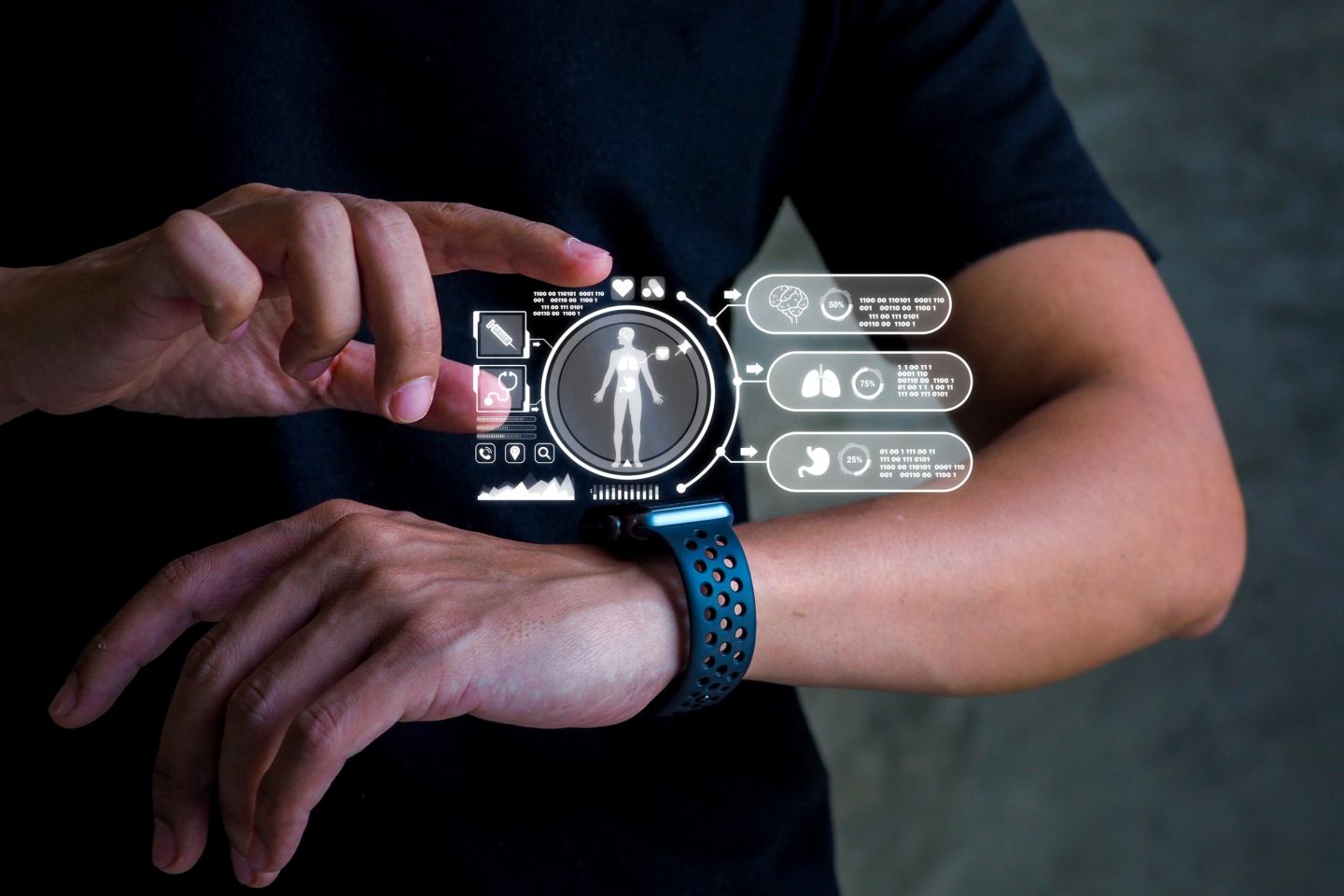
If you’re a health-conscious individual, wearable devices are part of your health regimen, right up there with diet, exercise, regular check-ups and screenings. A recent webinar, offered by Weill Cornell Medicine, drew on the expertise of physicians across several disciplines. They spoke about how wearables help track key aspects of your cardiovascular health, along with other important indicators, such as your step count and the quality and duration of your sleep.
Not only do wearables monitor these indicators on a daily basis; they track your progress over time.
They collect real-time health and performance data, such as your:
In addition to the above, your wearable device can assess the impact of the lifestyle changes you make over time.
Your wearable device data can be a powerful tool in an emergency.
For example:
“Your wearable is like a coach on your wrist or finger.” – Dr. Ko
“In addition to blood tests and imaging, your device’s data will help emergency doctors determine whether you can go home or should stay in the hospital.” – Dr. Ghosh
A wearable device, and the data it provides, is not a doctor. See your doctor for a complete assessment of your health.
VIDEO LINK: https://youtu.be/QzL6PQJ8lXA

