Read about upcoming changes to UnitedHealthcare coverage.
Maintaining a healthy weight is an important part of overall wellness—but for women with breast cancer, it can play an especially meaningful role in both treatment and long‑term outcomes. Research has shown that carrying excess weight can increases the risk of several cancers and may also raise the chances of complications, cardiovascular disease, and cancer recurrence.
For many patients, cancer treatment itself can make weight management more difficult. Hormonal therapies, chemotherapy, and other medications can lead to weight gain or changes in metabolism. As a result, many women can find themselves struggling with increased weight at a time when maintaining health feels most important.
“Breast cancer survivorship guidelines encourage maintaining a healthy weight, but some cancer medications make it harder to lose weight with lifestyle modifications alone,” says Dr. Vered Stearns, leader of the Breast Medical Oncology team at Weill Cornell Medicine and Associate Director for Clinical Research at the Meyer Cancer Center.
Because of these challenges, Dr. Stearns and her colleagues have made it a priority to understand which weight‑loss strategies are most effective and safest for women with breast cancer.
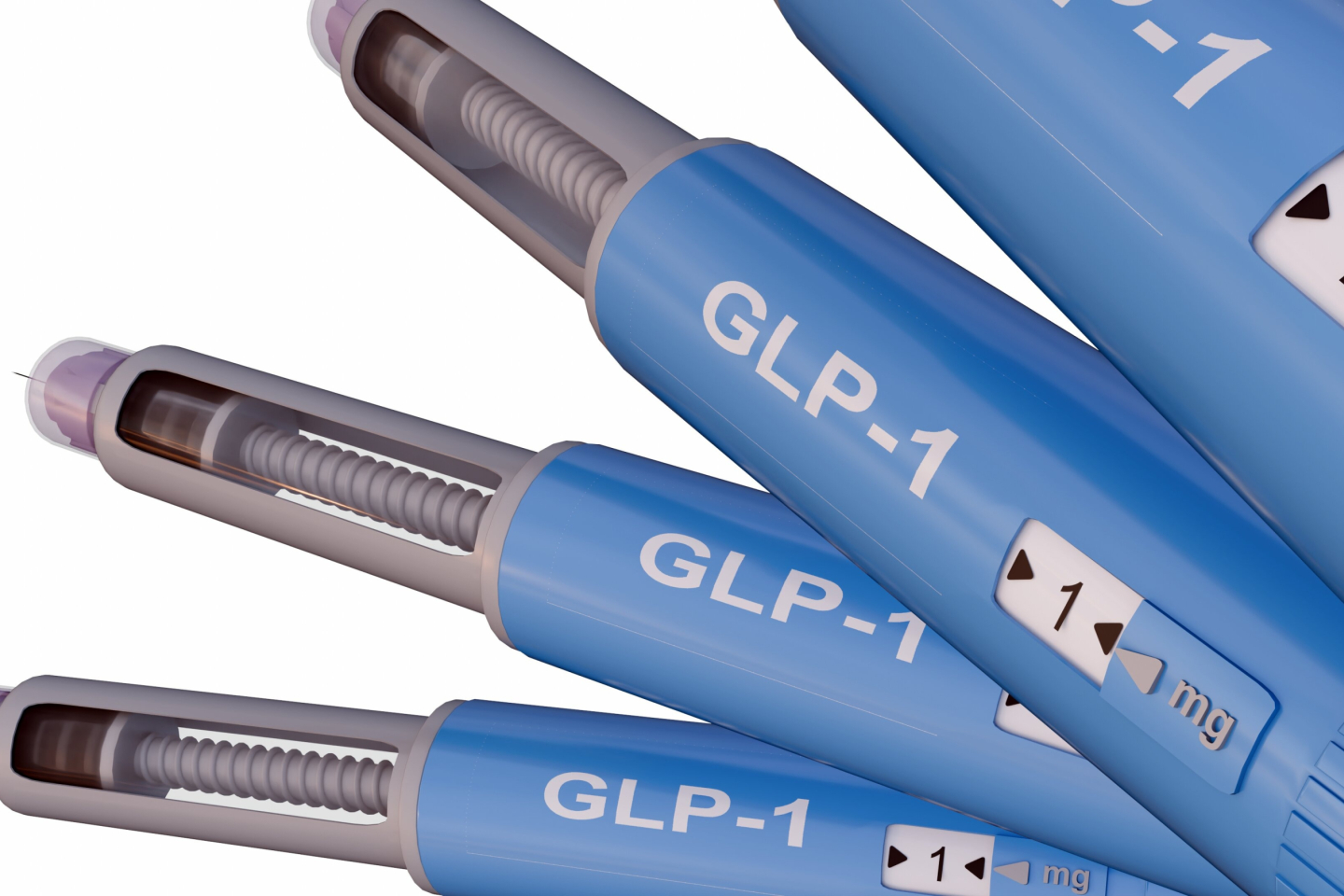
Newer weight‑loss medications, known as GLP‑1 receptor agonists, have rapidly grown in popularity. These medications, including tirzepatide (Zepbound, Mounjaro) and semaglutide (Ozempic, Wegovy), work by supporting appetite regulation and metabolism. Early research studies in people without a known cancer diagnosis suggest they may help people whose Body Mass Index (BMI) falls in the categories of overweight or obese lose 15–20% of their body weight. It is unclear if those benefits are the same in those who have or have had cancer.
“Approximately 85–95% of people respond to these medications,” explains Dr. Sarah Schmitz, an obesity medicine specialist at the Weill Cornell Medicine Comprehensive Weight Control Center. “Beyond weight loss, they often improve blood sugar levels, blood pressure, and other weight‑related conditions.”
For many patients, having additional weight loss tools like GLP‑1 medications can also reduce emotional stress and offer a sense of control during and after breast cancer treatment.
There has been established research on the intersection of breast cancer and weight loss, and it is a field that continues to grow. Results from a phase 2 clinical trial led by Dr. Vered Stearns when she was at Johns Hopkins Sidney Kimmel Comprehensive Cancer Center were recently published in the Clinical Cancer Research journal. This study examined a structured nutrition and exercise program plus the addition of anti-obesity medication in those who were unable to meet weight loss goals with nutrition and exercise alone. The research demonstrated that breast cancer survivors were more likely to reach their established weight loss goals with the addition of an FDA-approved anti-obesity medication incorporated into their treatment plan. The findings underscore the complexities involved in metabolism and research and the importance of individually tailored approaches to weight loss.
Dr. Stearns and Dr. Schmitz are now collaborating on a clinical trial designed to better understand how these medications affect women with breast cancer. Their goal is to learn whether meaningful weight loss can reduce the risk of cancer returning and to understand how GLP‑1 medications interact with cancer biology. “We know weight loss can improve overall health, but we want to better understand if individuals with breast cancer enjoy similar benefits as those without cancer, and if taking these medications can also reduce the risk of breast cancer recurrence,” says Dr. Stearns.
Thanks to the support of the Breast Cancer Research Foundation (BCRF) and funding from the National Institutes of Health (NIH), this research has the potential to shape future recommendations for breast cancer prevention, survivorship, and treatment.
If you are curious about whether GLP‑1 medications may be right for you or if you’d like more information about participating in the clinical trial, speak with your medical oncologist. Your care team can help determine whether a referral or further evaluation is appropriate for your care.

