Read about upcoming changes to UnitedHealthcare coverage.

In Forestport, a small town surrounded by dense woods and wildlife in upstate New York, Valerie Fox spent decades living a peaceful, structured life. She worked as a production control specialist at a local machinery plant for 42 years, raised three children, and created a home full of routine and joy. Now retired, she enjoys camping trips, crossword puzzles and caring for her four grandchildren.
But beneath that calm daily rhythm, something invisible had been growing for more than four decades.
Valerie first noticed her hands shaking in her twenties. At first it was subtle. Then, year after year, it became pervasive.
“My hands would shake when I was concentrating. Then it just kept getting worse,” she says. “I couldn’t brush my teeth without making a mess. I couldn’t feed my grandbabies. I couldn’t write a check. It felt like life was slipping out of my hands.”
She tried medications, adaptive tools and weighted devices. Nothing restored her confidence, control or ease.
“Sometimes I cried,” she says. “You do not realize how much the small everyday things matter until they disappear.”
Eventually, she was formally diagnosed with essential tremor, a neurological condition that affects millions of people and causes involuntary shaking of the hands, arms, voice or head. For many, the condition worsens over time and begins to disrupt independence, identity and emotional wellbeing. Many people have not heard of essential tremor, yet it affects up to ten times as many people as the more well known movement disorder Parkinson’s disease.
“I figured it was just how life would be. I thought nothing else could be done.”
In 2024, during a routine appointment, her cardiologist referred her to a neurologist who mentioned a treatment she had never heard of: focused ultrasound.
The procedure uses sound waves to precisely target the area of the brain responsible for tremors. There are no incisions and no implanted devices involved. Imaging guides the treatment, allowing physicians to disrupt tremor pathways with extraordinary precision.
That referral led Valerie to Dr. Michael Kaplitt, a neurosurgeon at Weill Cornell Medicine, internationally recognized for advancing minimally invasive technologies for movement disorders. As Vice Chair for Research and Director of Movement Disorders Surgery in the Department of Neurological Surgery, Dr. Kaplitt has led innovation in advanced targeted neurosurgical treatments for decades and was the first person in New York to perform this ultrasound procedure.
“My kids researched everything,” Valerie says. “I was told I could either do focused ultrasound or undergo brain surgery with wires and a pacemaker. It was an easy choice.”
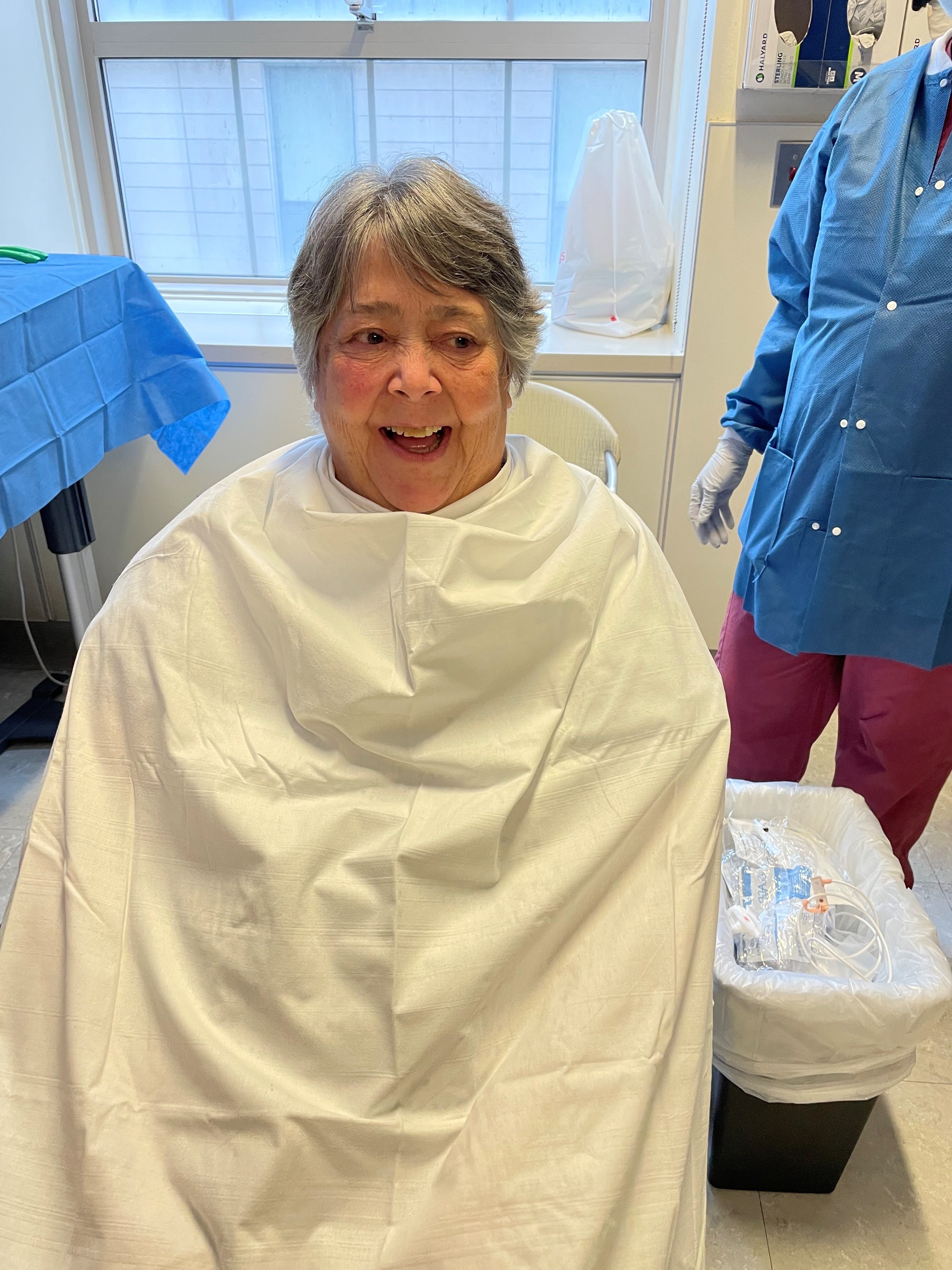
In October, Valerie made the trip from Forestport to New York City for her MRI and treatment planning.
“It was intimidating,” she explains. “They attached equipment to my head, and I got an injection in my forehead. Once that part was over, it was actually very easy.”
And then the moment happened.
“When I went to the bathroom afterward, I looked at my hands and they were still. I just stared at them,” she recalls.
The next few days brought visible, emotional change.
She ate with a spoon.
She brushed her teeth cleanly.
She wrote her name clearly.
Even her voice steadied.
“People kept saying I sounded like myself again.”
Her family noticed too. Her confidence resurfaced. Daily tasks no longer required adaptation, avoidance or embarrassment.
“Now I feed my grandkids without worrying. Mealtime is fun again. I am the grandmother I always wanted to be.”
Dr. Kaplitt says Valerie’s experience reflects the goal of this treatment.
“Focused ultrasound allows us to restore a level of independence that many patients feared they had lost forever. It is remarkable to be able to use sound waves to improve the function of brain circuits and see instantaneous improvement in tremor while allowing patients to return home the same day and often use their hand to eat or drink normally for the first time in years.”
Valerie will return for treatment on the opposite side of her brain. Treating the opposite side was recently FDA approved based upon a study led by Dr. Kaplitt and published last year in JAMA Neurology. The approval requires a 9 month wait between treating the first and second sides, but Valerie says the wait is worth it.
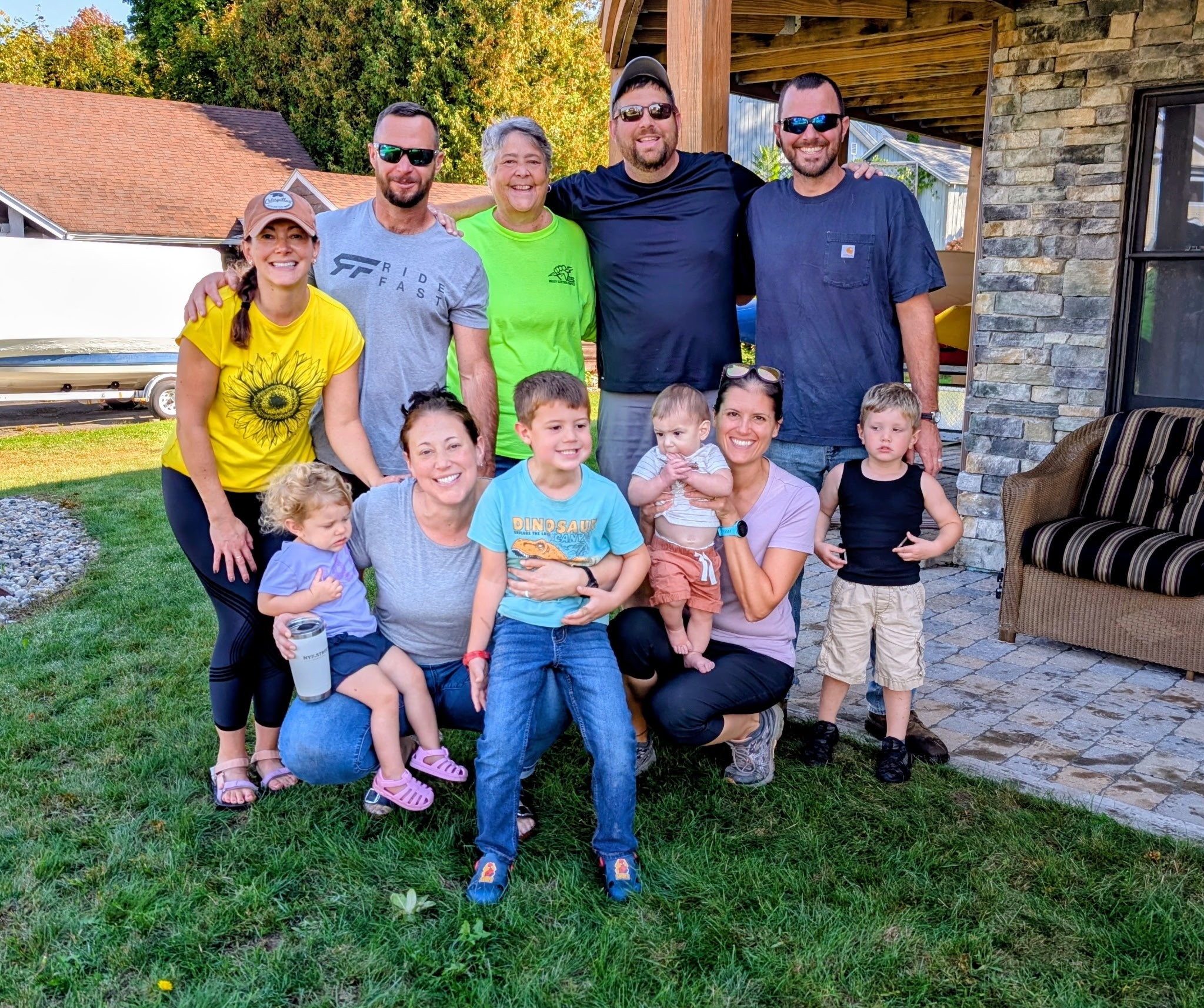
“I just want to live my life without thinking about my hands. I want to hold a fork, write a note, feed my grandbabies and not struggle. That is what I look forward to.”
Her message to others living with essential tremor is direct:
“Go for it. This gave me my life back.”
If you or someone you know is living with essential tremor and would like to find out whether focused ultrasound is appropriate, you can contact Weill Cornell Medicine directly.
Call: 212-746-4966
Email: neurosurgery-fus@med.cornell.edu
Regaining writing, eating, speaking and identity, may be closer than you think.

