Read about upcoming changes to UnitedHealthcare coverage.
Last year, Legionnaires’ disease struck Central Harlem. The illness, a severe type of pneumonia, did some serious damage before it was brought under control. Now, nearly a year later, a cluster of Legionnaires’ cases has been found in three neighborhoods on Manhattan’s Upper East Side: Carnegie Hill, Yorkville and Lenox Hill.
This time around, there have been dozens of cases and several deaths. However, according to city health officials, no new cases have been reported since July 15. That means the outbreak has begun to level off.
City health officials have identified 33 buildings with contaminated water towers in the affected neighborhoods, all of which have been cleaned and disinfected. Stay on top of what’s happening by visiting the NYC Department of Health’s Legionnaires’ page here.
What is Legionnaires’ disease?
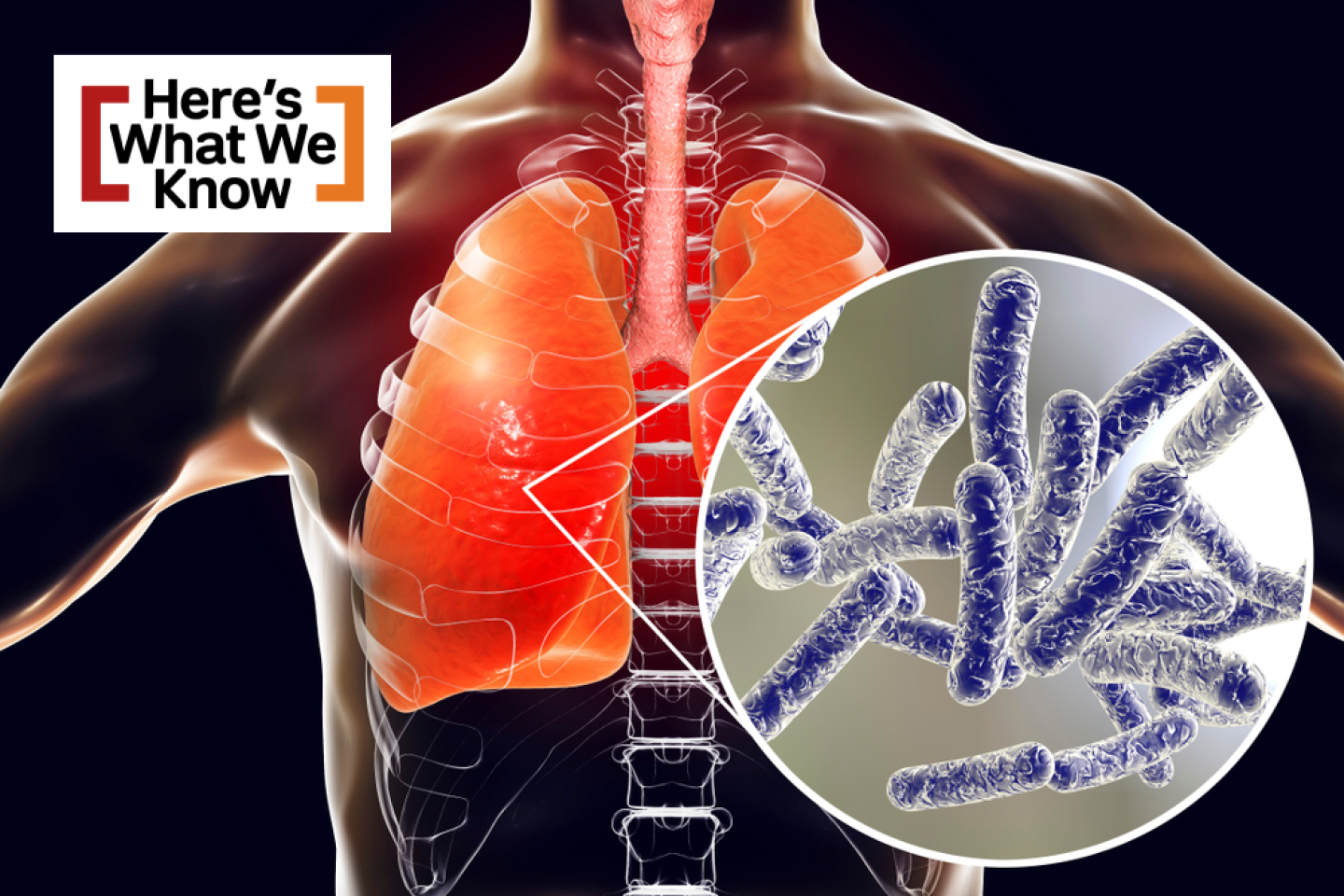
Legionnaires’ disease is a severe type of bacterial pneumonia, caused by Legionella pneumophila. The bacteria can grow in certain water systems and be spread through inhalation of very small water droplets. It can lead to hospitalization, low oxygen uptake and even respiratory failure.
Among infectious diseases, Legionnaires’ is relatively rare. However, it’s no small matter for people considered at high risk for contracting it, including:
Says NYC Health Commissioner Dr. Alister Martin, New Yorkers at higher risk “should be especially mindful of their symptoms and seek care as soon as symptoms begin.”
For the vast majority, though, the risk remains low. Cases in children are uncommon. There’s no need to alter your daily routines or avoid your normal activities.
Per the following statement issued by the Department of Pediatrics at Weill Cornell Medicine, “We encourage everyone to continue following general health and wellness practices and to remain attentive to symptoms of respiratory illness.”
The number of Legionnaires’ cases nationwide, in both rural and urban areas, has grown slowly but steadily over the past 20 years or so. New York City had a major outbreak in 2015, during which at least a dozen people died, and more than 100 became ill.
It’s important, then, for all of us to get acquainted with Legionnaires’ disease, the better to recognize its symptoms and seek treatment before it has a chance to upend our health.
Where did it get its name?
In 1976, an outbreak occurred in Philadelphia among people attending a state convention of the American Legion. That led to the name Legionnaires' disease. Later, its name was officially changed to Legionellosis, but most people, including doctors, still call it Legionnaires’ disease.
What are its symptoms?
Its most common symptoms are:
Affected people may also experience:
Symptoms may appear within 2 to 14 days of exposure. Keep in mind that the majority of healthy people exposed to Legionella do not become ill.
Is it contagious?
“The disease is not acquired through drinking water or transmitted from person to person,” says Dr. Matthew Simon, chief hospital epidemiologist, Associate Professor of Clinical Medicine in the Division of Infectious Diseases and Associate Professor of Clinical Population Health Sciences at Weill Cornell Medicine. “It’s acquired through inhalation of contaminated water.”
But if you belong to one of the vulnerable groups listed above, you may catch the disease by inhaling mist or droplets emitted by contaminated water in cooling towers atop buildings in the city.
Where else do the bacteria tend to grow?
“The Legionella bacteria thrive in warm water, and we see a seasonal peak in the summer and early fall, partly related to air conditioning use. That’s because building water and ventilation systems may foster conditions for the bacteria to thrive,” says Dr. Simon.
However, outbreaks of Legionnaires’ disease in New York City aren’t related to a building’s hot or cold water supply. That’s because a building’s plumbing system is separate from its cooling system. Residents of the Upper East Side can continue to drink water, bathe, shower, cook and use their air conditioners free from worry.
Additionally, the culpable bacteria can thrive in whirlpools, Jacuzzis, fountains and building-wide air conditioning systems.
How is Legionnaires’ disease diagnosed?
According to the Centers for Disease Control and Prevention (CDC), the disease can be diagnosed via a urine sample or a respiratory culture, which allows a pathologist to look at mucus from the lungs.
From a public health perspective, a sputum culture will allow local and state health departments to test and match it with an environmental sample to help identify the bacteria’s source.
Is there an effective treatment?
Legionnaires’ disease can be effectively treated with antibiotics, if diagnosed early.
When is it time to see a doctor?
If you live in a neighborhood or community where Legionnaires’ cases have been identified, and if you have flu-like symptoms, make an appointment with your primary care physician or family health provider as soon as possible. The earlier the better!
Key takeaways
We will continue to share relevant updates as more information becomes available.
Find a primary care provider at Weill Cornell Medicine here.

