Read about upcoming changes to UnitedHealthcare coverage.
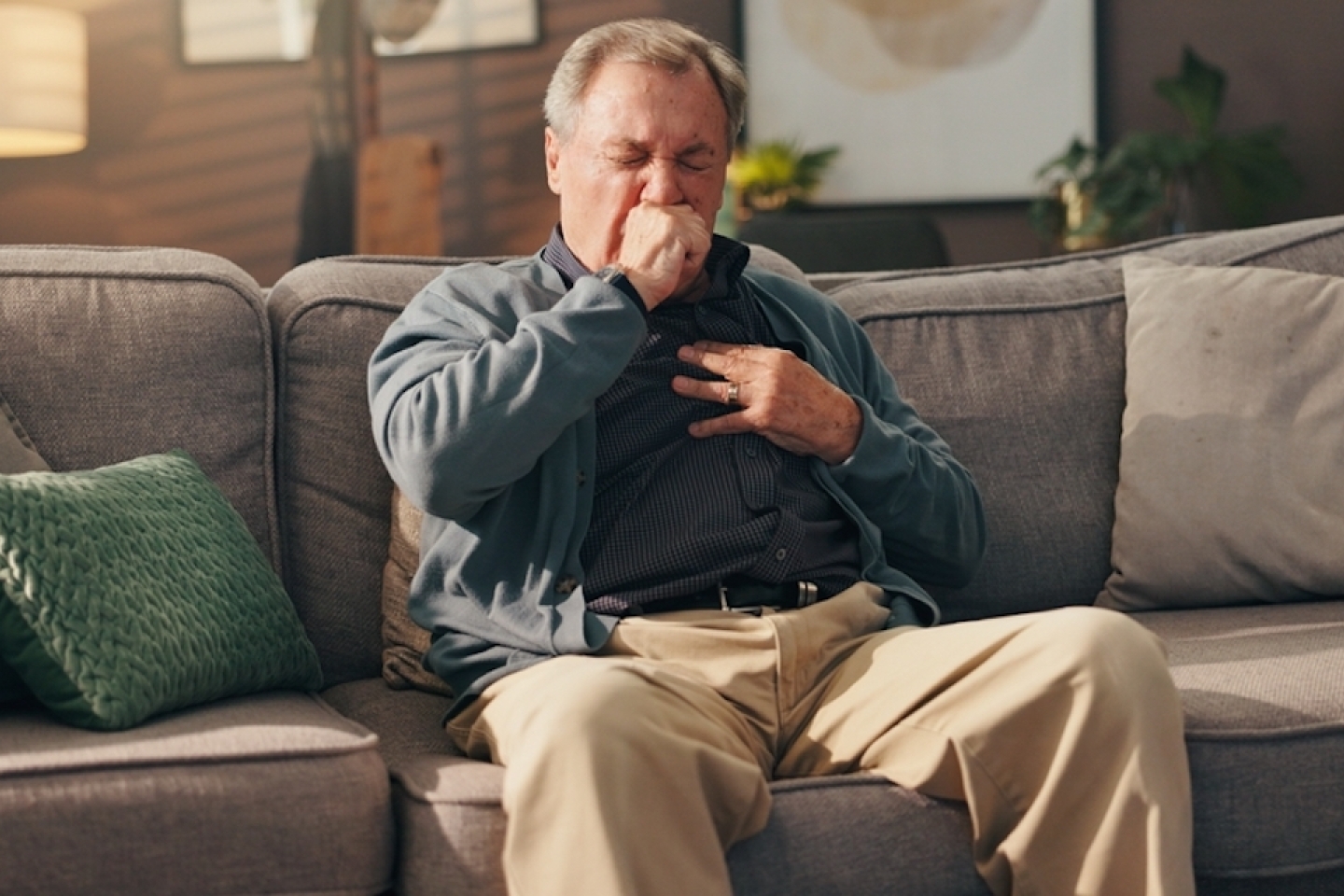
Is it a really bad cold, or could it be walking pneumonia? That’s a non-medical term for mild pneumonia, and it’s called “walking pneumonia” because its symptoms can be mild enough for you to go about your daily activities—no bed rest or hospitalization required.
But pneumonia isn’t always mild—far from it. It’s also a wide-ranging, complicated topic, which is why we recruited a Weill Cornell Medicine expert to explain its causes, symptoms and treatments, along with the vaccines that can protect you from getting it in the first place. Meet Dr. Robert Arao, who specializes in Pulmonary Critical Care Medicine.
An assistant attending physician and an instructor at Weill Cornell Medicine, Dr. Arao is dedicated to the care of patients with severe lung diseases, from pneumonia to interstitial lung disease and pulmonary fibrosis (scarring). Read on for his answers to your FAQs.
“Pneumonia is a lung infection that’s usually caused by a virus or bacteria,” he says. “The term ‘pneumonia’ is sometimes used to describe other types of lung diseases caused by inflammation not due to infection. However, these diseases are quite rare.”
Viruses and bacteria are its most common causes.
Pneumonia-causing viruses include influenza A/B (the viruses that cause the flu), various coronaviruses (including the SARS-COV-2 virus that causes COVID-19) and respiratory syncytial virus (RSV).
The most common pneumonia-causing bacterial pathogens include Streptococcus pneumoniae, Haemophilus influenzae and Mycoplasma pneumoniae. “We have vaccines for many of these pathogens, helping to decrease the risk of severe disease,” Dr. Arao says.
There are many ways to categorize pneumonia, he says, but doctors generally think about the disease as belonging to two principal categories: community-acquired pneumonia and hospital-acquired pneumonia.
“The types of pathogens that cause CAP and HAP are different. Bacteria that cause HAP can require specific antibiotics, and some of them may be antibiotic-resistant. That can make HAP more challenging to treat than CAP,” he says.
Healthcare staff and visitors can spread HAP, which is why hand-washing and other safety measures are critically important in the hospital environment.
In many cases, hospitalized patients are already sick, he says, making it harder for them fight off an infection. People using a ventilator are particularly susceptible to HAP. Older age and a compromised immune system also increase a patient’s risk for contracting pneumonia in the hospital.
The most common symptoms are a cough (with or without mucus production), shortness of breath and chest pain or discomfort. Other more general symptoms can include fever, chills, fatigue and muscle aches.
Many of the germs implicated in pneumonia can cause the same symptoms as those associated with a bad cold or the flu. That’s why further tests can be needed for your doctor to identify what’s causing them and prescribe the most effective medication to counter the source of the problem.
Anyone and everyone is at risk of contracting pneumonia in the community (CAP).
“Approximately 4.5 million outpatient and emergency department visits per year are due to pneumonia, and it is the second most common reason for hospitalization in the United States,” Dr. Arao says.
The risk of contracting it rises with:
Older patients are at increased risk of both contracting pneumonia and having more severe disease. “While there is no definite age at which the risk of pneumonia increases, patients over the age of 65 have been shown to be particularly vulnerable, with their risk estimated to be 3 times higher than the general population.
Two main types of pneumococcal vaccines are available in the United States: polysaccharide and conjugate vaccines.
The CDC and the Advisory Committee on Immunization Practices (ACIP) recently recommended that everyone over 50 receive the PCV20 or PCV21 vaccine.
Which pneumococcal vaccine you end up receiving will depend on your age, whether you have been previously vaccinated and your medical history, among other factors. “It’s always best to discuss these issues—when to get vaccinated and which vaccine is appropriate for you—with your primary care doctor or other medical professional,” says Dr. Arao.
Vaccines that protect against viral pneumonia are the flu and COVID vaccines. These are both offered annually, and they’re recommended for the vast majority of adults.
All of the pneumococcal vaccines, as well as the flu and the COVID vaccines, have been shown to be safe and effective. Their most common side effect is pain and tenderness at the injection site, which usually resolves within a few days to a week. Other common side effects include fever, chills, fatigue and muscle aches. These generally occur as a result of the body’s immune system appropriately reacting to the vaccine.
“If you’re feeling ill, or if someone you live with has been ill, wearing a mask can protect you and others around you from contracting viral pneumonia and other illnesses,” Dr. Arao says.
During the winter months when respiratory infections ramp up, wearing a mask on public transportation, at the grocery store and in other indoor settings can reduce your risk of infection. Smoking cessation is another step you can take to significantly reduce your risk of contracting and developing severe pneumonia.
“There are different treatment approaches, depending on the pathogen that’s causing your pneumonia. Most viral cases of pneumonia lack specific treatments,” he says, “and these usually resolve with bed rest, over-the-counter remedies and plenty of fluids.
“Influenza and COVID are two viral illnesses that can cause pneumonia,” he continues, and antiviral treatments are available to treat them. Tamiflu is a medication given to patients with the flu within 48 hours of the appearance of symptoms. Paxlovid is a medication given to patients with COVID who are at risk for more severe disease.
Bacterial pneumonia is treated with antibiotics that target the specific pathogen. “In more severe cases of pneumonia that require hospitalization and supplemental oxygen, steroids may also be used as part of the treatment approach,” Dr. Arao says.
If you’re having any of the symptoms mentioned above, find a doctor at Weill Cornell Medicine here.

