Read about upcoming changes to UnitedHealthcare coverage.
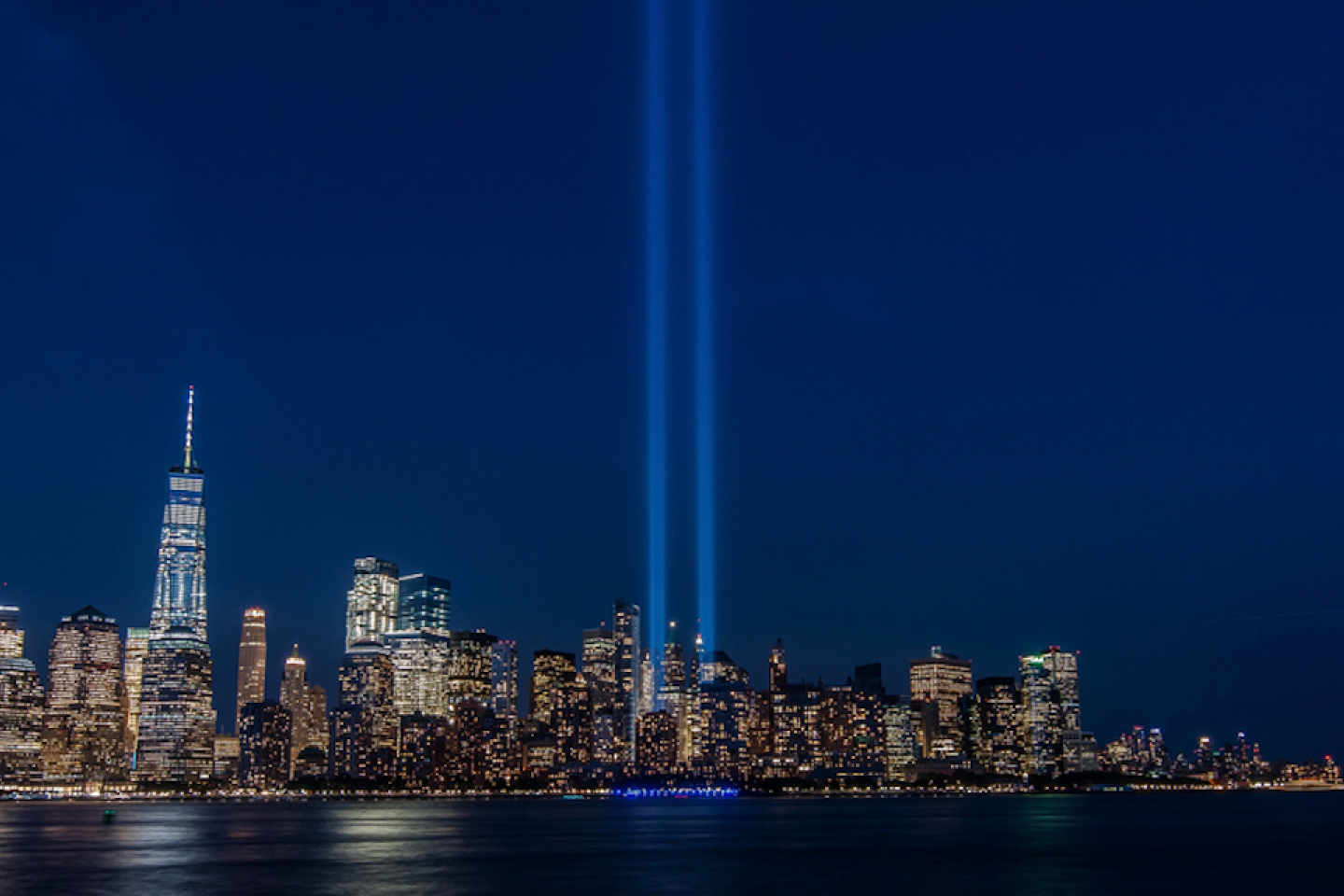
Honoring the Responders, Those Whose Lives Were Lost, Those Who Survived, and the Enduring Role of the Medical Community, Then and Now
Twenty-five years have passed since the World Trade Center's twin towers fell—a single morning that reshaped New York's skyline, and the lives of everyone who called this city home. For those who lived through it, the memory has not faded. Nor has the responsibility it left behind.
In the days that followed, the city's medical community became one of its steadiest forces. Dr. Bruce Logan, then Chief of Medicine at New York Downtown Hospital (now NewYork-Presbyterian Lower Manhattan Hospital) and today a Clinical Associate Professor of Medicine at Weill Cornell Medicine, recalls a city that turned toward each other rather than away—giving blood, delivering meals to homebound residents, volunteering by the thousands.
Just four blocks from the disaster site, New York Downtown Hospital turned no patient away. Dr. Antonio “Tony” Dajer, then assistant medical director of the emergency department and now retired, attributes that outcome to years of quiet preparation—training that had made the hospital ready long before it was tested. What unfolded there that day became the largest single-hospital disaster response in the nation's history.
9/11 did more than test the city's hospitals—it changed how they understood their obligation to patients, then and for decades to come.
According to the Centers for Disease Control and Prevention, an estimated 400,000 people were exposed to toxic contaminants and to physically and emotionally strenuous conditions in the aftermath of the attacks. Responders, recovery workers, survivors, and neighborhood residents carried that exposure forward, and its effects have surfaced on very different timelines ever since:
Barbara Ritchwood, RN, was a senior staff nurse in the Burn ICU at New York Downtown Hospital that day, treating patients arriving with severe injuries alongside her colleagues in the hours and weeks that followed. She continues to practice at NewYork-Presbyterian Hospital today—a throughline, in many ways, from that morning to the present.
The patients of 9/11 did not leave the hospital and simply move on. Many returned year after year—for a cough that never fully resolved, for nightmares that resurfaced without warning, for a diagnosis that arrived a decade later and traced back to a single week in Lower Manhattan. Caring for them meant learning, again and again, that recovery from that day would not follow a normal timeline.
That understanding reshaped how clinicians and researchers at Weill Cornell Medicine practice medicine, not as policy but as something learned at the bedside:
The Program for Anxiety and Traumatic Stress Studies (PATSS), within Weill Cornell Medicine's Department of Psychiatry, grew out of that same commitment. Expanded substantially after 9/11 to meet the scale of need, PATSS developed a virtual reality exposure therapy that has helped military service members confront trauma safely since 2005, and its wellness programming now supports active-duty and veteran service members alongside the patients still carrying the weight of that day.
Much of medicine resolves quickly—an infection treated, a surgery completed. 9/11 asked something else of the field: to sustain care across decades. Thousands exposed to toxins from the towers' collapse have lived with chronic respiratory illness ever since. For many, the psychological weight of that day never fully lifted.
That is the lesson this anniversary asks us to hold onto: healing does not end when the emergency does, and neither does the obligation to provide it.
Twenty-five years later, we honor the physicians, nurses, and staff who met that day with skill and steadiness, and the responders and fellow New Yorkers who carried the city through it. Out of that loss came something lasting: a deeper knowledge of how to heal, a fuller understanding of what patients need, and a community of caregivers still devoted to both. Our gratitude to them remains, and so does our hope—for every patient still on that journey, and for all the years of healing ahead.

