Read about upcoming changes to UnitedHealthcare coverage.
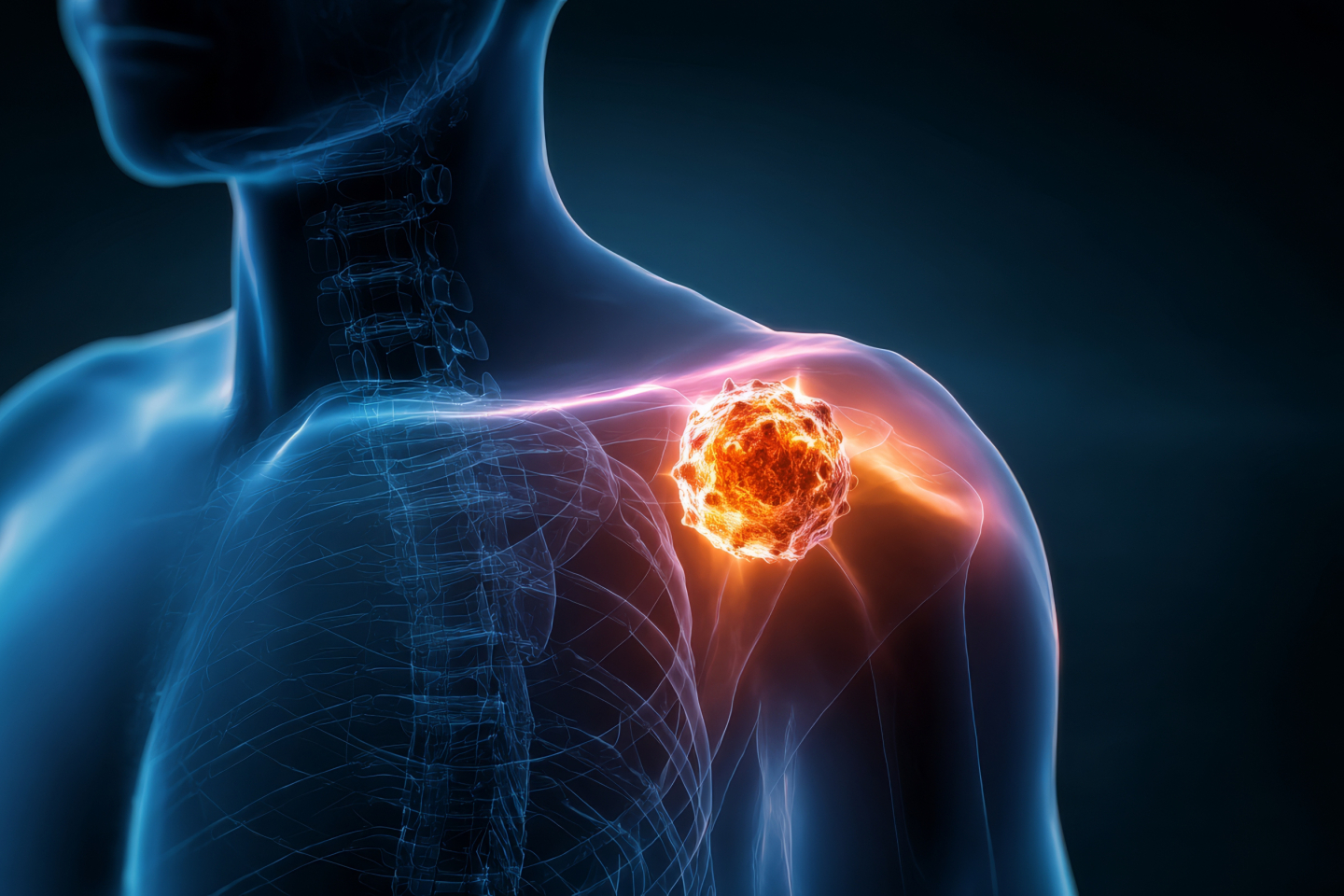
A newer type of cancer treatment, known as tumor-infiltrating lymphocyte (TIL), therapy is giving fresh hope to some people with advanced melanoma. TIL therapy uses a patient’s own immune cells to fight cancer by leveraging specialized cells called T-lymphocytes to help destroy tumor cells. It is a one-time process that involves extracting immune cells from a patient’s tumor, growing them in a laboratory, and then reinfusing them back into the patient’s body. TIL treatment may be used when standard immunotherapy is no longer effective.
Dr. Barbara Ma, a medical oncologist who specializes in treating melanoma and other skin cancers, explains that this treatment approach is exciting because it builds on something doctors have known for a long time: the immune system can recognize melanoma, but it sometimes needs help to remove these cancerous cells from the body.
The idea of using the body’s own immune system to fight cancer has been central to melanoma research and treatment advances for many years. The development and use of immunotherapy has changed how melanoma is treated, particularly in advanced melanoma where the cancer is resistant to initial treatment or has traveled to other parts of the body.
Decades of cancer research has uncovered that melanoma is one of the most “immune-responsive” cancers, meaning that the immune system can often recognize melanoma cells more easily compared to other tumor types. This discovery led to melanoma being one of the early testers of immune-based treatments, which ultimately paved the way for Food and Drug Administration (FDA) approvals of the immunotherapies now considered to be the standard of care for melanoma in addition to other types of cancer.
The first immunotherapy that was FDA approved involved medicines called immune checkpoint inhibitors, which help keep the immune system “turned on” against cancer. Cancer cells often use checkpoint proteins to slow down or even turn off the immune system, essentially allowing the cancer cells to hide from the immune system. Immunotherapy drugs that block these checkpoint proteins keep the immune system activated and prevent the cancer from hiding from the patients own immune cells.
“The analogy I like to make is to think of your immune system like a thermostat,” Dr. Ma explains. “If the temperature gets too hot, then your air conditioning kicks in to bring it down to a more regular temperature. Similarly, your immune system has a mechanism that when it sees a threat, it will rev up to activate and fight off the threat.”
Building on that analogy, Dr. Ma further describes how this balance can sometimes be disrupted. “If the immune system is too reved up, it can attack the individuals own organs, which is called autoimmunity. Our body has a way of turning down this amped up immune response to prevent autoimmunity in most people.
Checkpoint inhibitors such as anti‑PD‑1 and anti‑CTLA‑4 therapies allow the immune system to stay activated and engaged for longer and to attack melanoma cells more effectively which has led to significantly better outcomes for many cancer patients.
While checkpoint inhibitors work well for many people with melanoma, not everyone responds to this form of immunotherapy treatment. That is where TIL therapy comes in. Unlike other forms of immunotherapy, TIL therapy is a form of cellular immunotherapy, meaning that the treatment is made from living cells within the body.
TILs originate from T lymphocytes, a type of immune cell that supports the immune system in idenfiying and eliminiating threats like cancer cells. When cancer develops, the immune system naturally sends T cells to try and control the abnormal cells. TIL therapy strengthens this natural defense and helps give it a boost with additional immune cells that have been amplified in the lab. This personalized approach is designed to give each patient an army of their own activated immune cells specifically tailored to fight their cancer because the treatment is derived from their specific tumor.
TIL therapy starts with removing a small piece of the patient’s tumor during a surgical procedure. That tissue is sent to a specialized lab where immune cells, primarily T cells, that are already found inside the tumor are separated out and grown into much larger numbers.
Dr. Ma explains that a key difference with TILs compared to other forms of immunotherapy is that these immune cells already “know” the tumor since they originated from the tumor itself. “For TILs, they already have T-cell clones that are personalized against each patient’s specific tumor.”
After a few weeks, the expanded cells are ready to be given back to the patient. Patients will first receive a short course of chemotherapy to help make space for the new immune cells to work in the body. Then the TIL cells are infused into the patient. From there, patients receive a strong immune-stimulating medicine called interleukin-2 (IL-2) which helps the freshly infused immune cells grow and become active in the body. Because IL-2 can cause side effects when activating the immune system, the TIL treatment happens in the hospital so that patients can be monitored closely.
“The main toxicities that we typically see are fevers, chills, low blood pressure and kidney function-related side effects,” Dr. Ma explains. “Because of these side effects from the IL-2, it’s important to have a team that’s experienced.”
The entire process can take several weeks from start to finish, but the TIL process only needs to happen one time, which means that patients don’t need to continuously come back for treatment like they would with many other types of cancer therapy.
For patients whose melanoma has continued to grow after other treatments, TIL therapy offers a meaningful new option. Lifileucel (AMTAGVI) was approved by the FDA in February 2024, for people with stage IV or unresectable melanoma whose cancer has grown after prior immunotherapy. TIL therapy is also approved for melanoma patients with a BRAF mutation whose cancer has progressed after targeted therapy. BRAF mutations are present in about 50-60% of melanoma patients, and result from a spontaneous change in the BRAF gene that tells cells to grow uncontrollably. The approval of TIL therapy for melanoma marked a major milestone for the field of cell therapy in solid tumors.
Dr. Ma notes that what makes TIL treatment especially encouraging is that while some patients experience a very strong response right away, a portion of people also continue to respond over time and do well for years after only receiving a single infusion of their expanded TIL cells. “The chance of having a durable response or a functional cure especially after progression on previous immune checkpoint inhibitor meets a huge unmet need,” she adds. “For melanoma patients who have already tried immunotherapy and targeted therapy, this is incredibly meaningful.”
Looking ahead, Dr. Ma shares that researchers are actively exploring ways to continue improving TIL therapy, both by making the process easier on patients and by trying to extend its benefits to more patients, including those with different types of cancer. This research includes refining how the cells are grown, adjusting supportive treatments like IL‑2, and testing whether similar approaches can work in tumors beyond melanoma.
“Melanoma is leading the way for using cell therapy as a treatment approach for other solid tumors,” Dr. Ma said.
TIL therapy for additional cancers, such as lung cancer, head and neck cancer, sarcoma, and cervical cancer, is actively being studied to evaluate its potential effectiveness based on the success of this form of treatment in melanoma.
Hear more about how TIL therapy is ushering in a new era of treatment for melanoma and beyond on the Weill Cornell Medicine CancerCast podcast. Dr. Ma joined host Dr. Manish Shah to discuss this form of treatment, how it differs from other therapies, and more. Listen to the episode on Apple Podcasts, Spotify, YouTube, or the Weill Cornell Medicine website.

