

Immanuel Elbau, MD, PhD
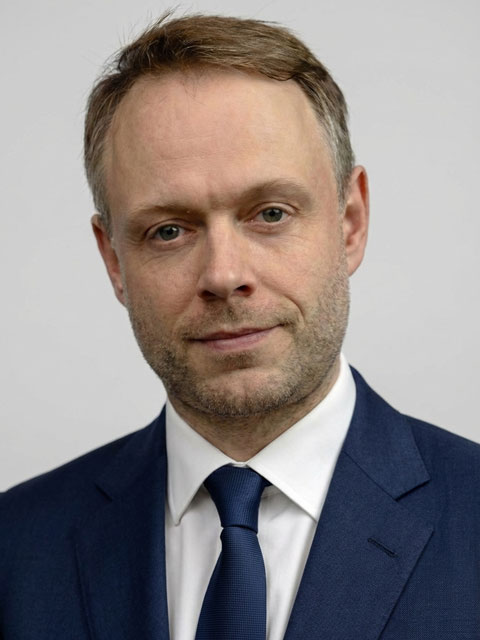
Immanuel Elbau, MD, PhD

 Video Visits Available
Locations and Appointments
Please contact the doctor's office to verify that your insurance is accepted.
*Indicates this doctor is no longer accepting new patients with this insurance plan.
About Immanuel Elbau, MD, PhD
I am a psychiatrist and cognitive neuroscientist at Weill Cornell Medicine and NewYork-Presbyterian, where I serve as an Assistant Professor of Psychiatry. I care for adults with a wide range of psychiatric conditions, including depression, anxiety, OCD, bipolar disorder, ADHD and psychotic disorders, including those with complex or treatment-resistant symptoms and those who have had difficulty tolerating medications.
My approach is collaborative, thoughtful and individualized. I work to understand each patient in the context of their life circumstances, values and personal history, alongside relevant biological and medical factors, and to develop a treatment plan grounded in the best available evidence. When medication is part of treatment, we work systematically to maximize benefit while minimizing side effects, with close follow-up and medication level monitoring when helpful. I also emphasize the role of sleep, exercise and nutrition, as these often meaningfully affect symptoms and recovery.
Central to my work is a strong therapeutic relationship and the use of evidence-based psychotherapy strategies to help patients build skills and sustain progress.
Dr. Immanuel Elbau is a psychiatrist and cognitive neuroscientist at Weill Cornell Medicine and NewYork-Presbyterian, where he serves as Assistant Professor of Psychiatry and Associate Director of the Interventional Psychiatry Program. His research focuses on the brain circuits involved in depression, bipolar disorder and related conditions, and on how treatments such as Transcranial Magnetic Stimulation (TMS) can be personalized based on those circuits. Using advanced brain imaging, he studies how patterns of brain activity relate to symptoms and treatment response, with the goal of making psychiatric care more precise and effective.
He also studies the effects of acute and chronic stress on the brain and how stress-related changes in brain circuits may contribute to psychiatric illness. His work focuses especially on circuits involved in mood, motivation and emotional regulation, helping to bridge neuroscience and clinical care. He is currently involved in a major bipolar disorder research initiative, including a BD²-supported grant for large observational and clinical studies of TMS in bipolar disorder.
Dr. Elbau earned his M.D. from the Medical University of Vienna and completed his psychiatry residency and Ph.D. in neuroscience at the Max Planck Institute of Psychiatry in Munich, where he served as Chief Resident. He went on to complete postdoctoral training at Weill Cornell Medicine and advanced fellowship training in TMS, including at Duke University. Clinically, he cares for adults across the full spectrum of psychiatric disorders, including depression, anxiety, OCD, bipolar spectrum disorders, ADHD and schizophrenia, particularly those with complex or treatment-resistant symptoms.
|
2025 |
BD2 Foundation Discovery Research Grant |
|
2022 |
BBRF (former NARSAD) Young Investigator Award (2023/24) |
|
2022 |
Perry Award |
|
2020 |
PhD, Summa cum Laude |
-
Ph.D.Max Planck Institute of Psychiatry (Germany)2020
-
M.D.Medical University of Vienna (Austria)2011
-
Assistant Attending PsychiatristNewYork-Presbyterian Hospital
-
Assistant Professor of PsychiatryWeill Cornell Medical College, Cornell University
External Relationships
Relationships and collaborations with for-profit and not-for profit organizations are of vital importance to our faculty because these exchanges of scientific information foster innovation. As experts in their fields, WCM physicians and scientists are sought after by many organizations to consult and educate. WCM and its faculty make this information available to the public, thus creating a transparent environment.
No External Relationships Reported